
Understanding the best time for safari and beach holidays in Africa helps travellers plan seamless journeys that combine exceptional wildlife viewing with relaxing coastal escapes. Many visitors researching African safari travel quickly realise that seasonal timing influences animal movements, vegetation density, and weather patterns across both inland reserves and Indian Ocean islands.
Travellers exploring safari and beach holidays in Africa benefit from structured planning that aligns safari game-viewing conditions with ideal beach climates. By selecting the right months, guests can experience dramatic wildlife sightings in iconic reserves before enjoying calm ocean conditions, sunny skies, and warm waters along Mozambique’s pristine coastline.
This guide explains how safari seasons differ across regions, when beach conditions remain most favourable, and how travellers can confidently plan combination itineraries across Southern and East Africa.
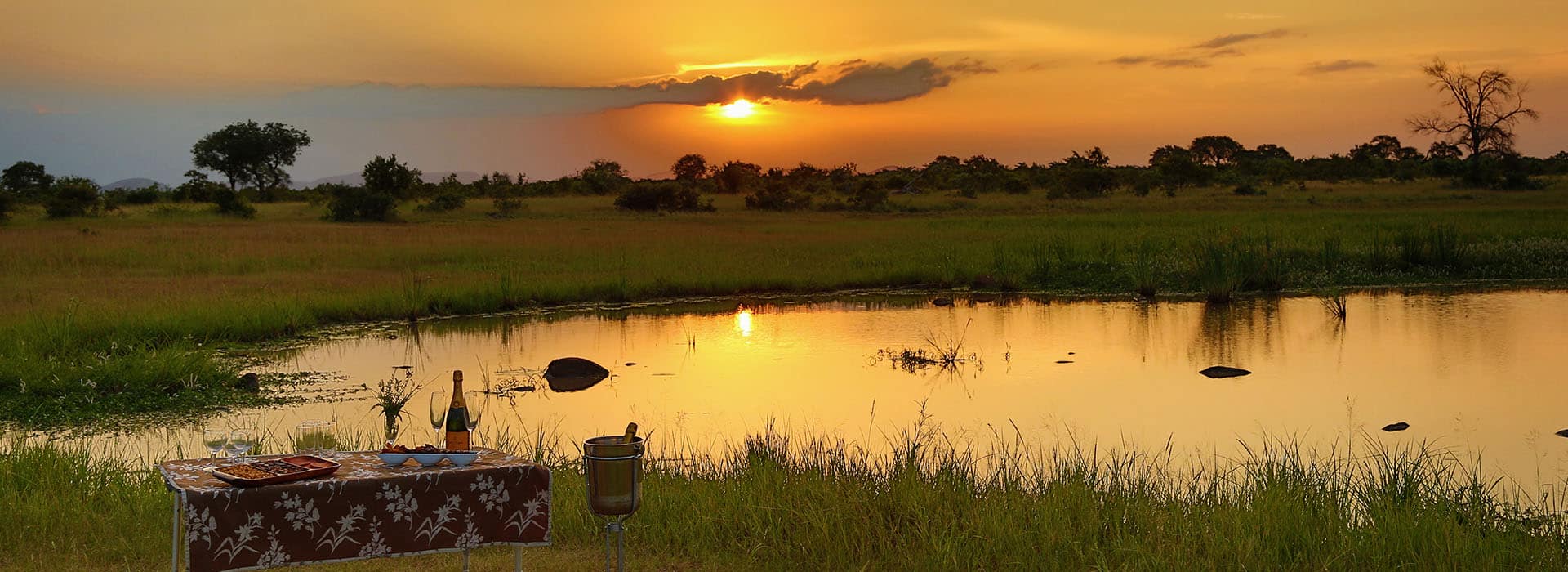
Seasonality plays a central role in determining the Best Time Safari and beach holidays in Africa. Wildlife viewing conditions change throughout the year as rainfall patterns influence vegetation growth, water availability, and animal migration behaviour. Understanding these seasonal shifts allows travellers to maximise safari experiences while maintaining comfortable travel conditions.
Most Southern African safari destinations follow two main seasons: the dry winter months and the summer rainfall period. During the dry season, water sources become limited, and animals gather around rivers, dams, and permanent pans. This natural concentration creates excellent game-viewing opportunities for safari vehicles and photographers.
In contrast, summer brings lush landscapes and dramatic skies. While wildlife disperses across wider areas due to increased water availability, travellers enjoy vibrant scenery, birding highlights, and newborn animal sightings. Choosing between these experiences depends on personal travel priorities.
Travellers researching the Best Time Safari and beach holidays in Africa often prioritise peak wildlife viewing months. In destinations such as Kruger National Park, the dry season from May to September consistently delivers exceptional safari conditions. Vegetation becomes thinner, allowing guides to track animals more easily, while cooler daytime temperatures create comfortable game drive environments.
These months also coincide with lower malaria risk in certain areas and reduced humidity, factors that contribute to overall travel comfort. Visitors frequently combine safari experiences with coastal relaxation by planning structured Kruger safari and Mozambique beach holidays during this period.
East African safari regions follow slightly different seasonal rhythms due to equatorial climates and migration cycles. Travellers interested in the Great Migration may target July to October, when dramatic river crossings and predator interactions attract global attention. Understanding these regional differences ensures safari timing aligns with wildlife expectations.

Indian Ocean beach conditions also influence the Best Time Safari and Beach Holidays in Africa planning process. Mozambique’s coastline, including island destinations such as Bazaruto Archipelago, experiences warm tropical weather throughout much of the year. However, travellers typically favour May to November when rainfall decreases, and ocean visibility improves for snorkelling and diving activities.
These months deliver calm seas, consistent sunshine, and comfortable daytime temperatures. Coastal breezes moderate humidity levels, creating ideal conditions for relaxation after active safari schedules. Guests staying at boutique Mozambique beach lodges often enjoy long beach walks, dhow sailing excursions, and marine wildlife encounters during this season.
December to March brings hotter conditions and occasional tropical storms. While beach holidays remain possible, travellers may need flexible itineraries to accommodate changing weather patterns.
Successfully planning the Best Time Safari and Beach Holidays in Africa involves aligning inland wildlife seasons with coastal weather systems. Travellers frequently begin journeys with safari experiences during cooler, dry months before transitioning to beach destinations that offer warm sea temperatures and minimal rainfall.
Itinerary specialists regularly design routes such as the Kruger to Mozambique safari and beach combinations that maximise both wildlife encounters and ocean relaxation. This sequencing allows guests to enjoy early morning game drives followed by scenic bush flights or short regional transfers to island resorts.
Because safari activities often involve early starts and long game drives, ending holidays with beach stays provides restorative downtime. This balanced travel rhythm improves overall holiday satisfaction while maintaining strong logistical flow between destinations.
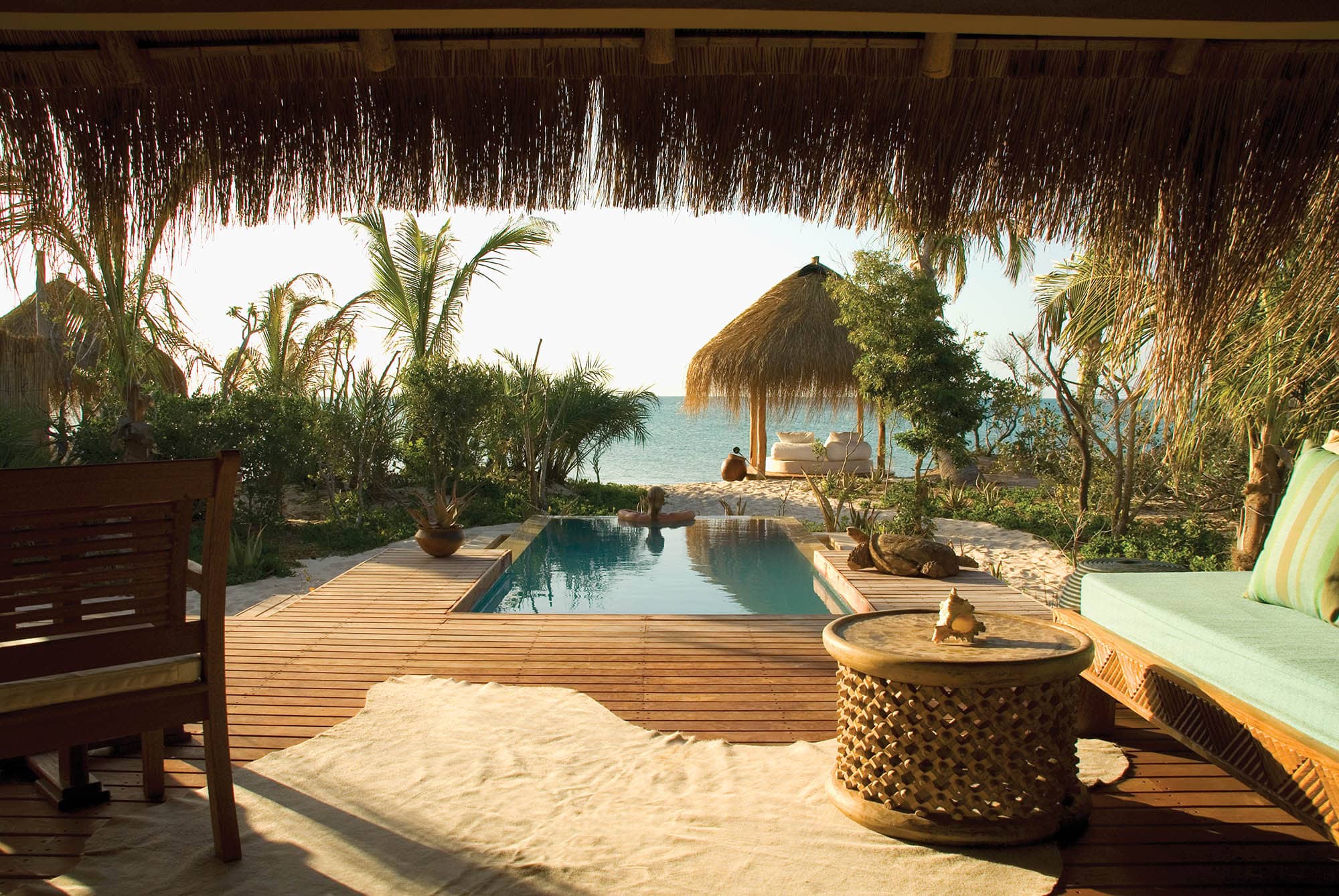
Travellers focusing specifically on Southern Africa frequently ask about the Best Time Safari and beach holidays in Africa when combining Kruger with Mozambique. The optimal travel window typically falls between June and October, when safari conditions remain dry, and visibility stays high.
During this period, wildlife congregates around rivers such as the Sabie and Olifants, creating reliable sightings of elephants, buffalo, and predators. After safari experiences, travellers can continue to Mozambique’s island resorts, where sunny winter days provide perfect beach relaxation opportunities.
Guests researching how to structure these journeys often consult planning resources explaining how to combine Kruger and Mozambique safely and efficiently. Professional itinerary design helps travellers manage border crossings, flight schedules, and luggage transfers while maintaining comfortable travel pacing.
A month-by-month overview helps travellers visualise the Best Time Safari and beach holidays in Africa more clearly. From January to March, safari landscapes remain lush and green across many Southern African reserves. Birding enthusiasts and photographers appreciate dramatic cloud formations and newborn wildlife during this season. However, coastal rainfall and higher humidity may influence beach conditions.
April marks a transitional period when rainfall decreases, and safari vegetation begins thinning. Travellers who prefer quieter travel environments often choose this shoulder season. Wildlife sightings improve gradually while beach destinations experience increasingly stable weather patterns.
From May through August, peak safari conditions emerge across Kruger and neighbouring reserves. Cooler mornings, reduced foliage, and concentrated wildlife activity create outstanding game-viewing opportunities. These months also align with excellent beach travel conditions along Mozambique’s coastline, reinforcing their reputation as the Best Time for Safari and Beach Holidays in Africa for balanced itineraries.
September and October continue delivering strong safari experiences while temperatures rise gradually. Coastal waters remain warm, and visibility stays favourable for marine excursions. November introduces early summer storms in some regions, yet travellers willing to accept occasional rainfall may benefit from lower accommodation rates and fewer crowds.
December returns lush safari scenery and festive travel demand. Beach holidays remain popular, particularly around island resorts where warm sea temperatures attract snorkelling and diving enthusiasts. Understanding these monthly patterns allows travellers to personalise safari-beach journeys according to preferred weather conditions and wildlife expectations.

Regional climate differences play a significant role when travellers evaluate the Best Time Safari and beach holidays in Africa. Africa’s safari destinations span multiple latitudes and ecosystems, meaning weather patterns vary dramatically between countries and even between neighbouring reserves. Understanding these variations helps travellers choose routes that align with both wildlife expectations and personal comfort levels.
Southern African safari regions such as Kruger, the Greater Kruger private reserves, and parts of Botswana experience distinct winter dry seasons. During these months, grasses become shorter, and riverbanks attract large concentrations of herbivores and predators. This creates predictable game-viewing opportunities that appeal to first-time safari visitors. Cooler mornings and mild daytime temperatures also support longer game drives without excessive heat exposure.
In contrast, East African destinations such as Kenya and northern Tanzania operate within equatorial weather systems. Rainfall patterns occur in shorter bursts rather than extended seasonal shifts, allowing safari travel across more months of the year. However, wildlife highlights such as migration crossings remain strongly seasonal. Travellers who prioritise dramatic wildlife encounters often visit to coincide with peak migration periods while still planning beach extensions on the Indian Ocean coastline.
Coastal climates along Mozambique and Tanzania differ from inland safari environments. Ocean currents, trade winds, and tropical weather systems influence humidity levels, rainfall timing, and sea conditions. Travellers considering the Best Time Safari and Beach Holidays in Africa should therefore evaluate both inland and coastal forecasts rather than focusing on a single destination’s weather. This broader perspective supports smoother itinerary planning and reduces unexpected travel disruptions.
Professional safari planners frequently recommend flexible routing strategies that allow travellers to shift beach stays slightly if seasonal storms or wind patterns affect marine visibility. For example, island destinations in the Bazaruto Archipelago may experience occasional rough seas during peak summer months. By building buffer days or alternative activities into travel schedules, guests can maintain relaxed holiday pacing while still enjoying wildlife highlights.
Travellers who combine multiple safari regions within one journey also benefit from understanding altitude differences. Highlands in East Africa remain cooler throughout the year compared to low-lying savannah landscapes. Packing layered clothing and preparing for varied temperature ranges ensures comfort during early morning game drives and evening coastal relaxation.
Ultimately, the Best Time Safari and Beach Holidays Africa depends not only on wildlife movements but also on how regional weather systems interact across an entire travel route. Thoughtful itinerary design allows visitors to experience contrasting environments without compromising comfort or safety.
While peak dry season months deliver exceptional wildlife viewing, shoulder seasons also provide compelling advantages for travellers researching the Best Time for Safari and Beach Holidays in Africa. Periods such as April–May and late October–November often offer a balance between favourable weather conditions and reduced visitor numbers.
During these months, safari reserves feel quieter and more exclusive. Guides can position vehicles more easily at sightings, enhancing photographic opportunities and wildlife observation quality. Accommodation rates may also decrease slightly compared to peak travel windows, allowing travellers to access premium lodges or longer itineraries within similar budgets.
Beach destinations across Mozambique frequently remain warm and inviting during the shoulder seasons. Afternoon showers may occur, yet they rarely disrupt full-day relaxation schedules. Many travellers appreciate the dramatic cloudscapes and softer coastal light that create memorable sunset experiences. Marine life encounters, such as dolphin sightings or seasonal whale migrations, can further enrich beach extensions.
Choosing shoulder seasons also supports sustainable tourism practices by spreading visitor demand more evenly throughout the year. This approach benefits conservation initiatives and local communities that rely on consistent tourism revenue. Guests who prioritise responsible travel often align journeys with these quieter periods while still enjoying excellent safari and beach experiences.
When evaluating the Best Time Safari and Beach Holidays in Africa, travellers should therefore consider flexibility rather than focusing solely on peak months. With expert guidance, shoulder season journeys can deliver exceptional value, strong wildlife encounters, and relaxing coastal conditions across Southern and East Africa.
Seasonal awareness also plays an important role when planning the Best Time Safari and Beach Holidays in Africa. Travellers should consider road conditions, malaria risk levels, and regional weather forecasts when designing itineraries across multiple countries. Professional safari operators provide guidance on safe travel windows and logistical considerations.
Visitors exploring cross-border routes or remote safari regions often review broader Africa travel safety advice before departure. These resources explain vaccination requirements, travel insurance recommendations, and emergency support procedures that help travellers remain confident throughout their journey.
At beach destinations, seasonal ocean currents and tidal variations may affect swimming conditions. Guests should follow the local guide instructions regarding snorkelling zones or marine activity schedules. By combining expert safari planning with responsible travel awareness, visitors can enjoy unforgettable wildlife and beach experiences while maintaining personal safety.
Choosing the Best Time Safari and beach holidays in Africa ultimately depends on balancing wildlife priorities with preferred coastal weather conditions. Structured itineraries allow travellers to explore world-class safari reserves before unwinding at tranquil island resorts that offer clear waters, white sands, and warm tropical sunshine.
Voyage2Africa specialises in designing seamless safari and beach packages tailored to seasonal travel goals. Our experts coordinate lodge availability, regional flights, and guided wildlife experiences to ensure guests travel at the optimal time for both safari adventure and beach relaxation.
Contact Voyage2Africa today to begin planning a personalised African journey that aligns perfectly with wildlife seasons and Indian Ocean weather patterns.


