
Tucked away in central Mozambique, Gorongosa National Park is rewriting the African conservation story. Once devastated by civil war, this biodiverse paradise has been reborn through one of the most ambitious rewilding efforts on the continent. Today, Gorongosa is more than just a park—it’s a global model of how conservation, science, and community engagement can restore an entire ecosystem.
The Gorongosa Restoration Project, a public-private partnership between the Mozambican government and the Carr Foundation, has turned what was a symbol of destruction into a vibrant wilderness where wildlife thrives, communities prosper, and researchers from around the world come to study nature in recovery.
This blog explores the major conservation milestones in Gorongosa, from wild dog reintroductions and lion recovery to pangolin rescue operations. Each success story is proof that thoughtful ecotourism and long-term investment can bring a landscape—and its people—back to life.

African wild dogs, also known as painted wolves, are among the most endangered carnivores on the continent. Once extinct in Gorongosa, they have now returned, thanks to a carefully monitored reintroduction program.
In 2018, the park welcomed its first pack of wild dogs in over 25 years. Working in partnership with conservation organizations like Endangered Wildlife Trust and with rigorous veterinary oversight, Gorongosa’s team ensured a smooth transition. GPS collars allowed researchers to track movements, assess habitat use, and support pack health.
The dogs have since adapted remarkably well, with several litters born in the wild—a sign of stable integration. Their return is more than symbolic. As apex predators, wild dogs play a key role in balancing herbivore populations and maintaining ecological harmony.
Safaris in Gorongosa now offer the rare chance to observe these highly social, intelligent animals hunting in packs—an experience unavailable in many larger parks.
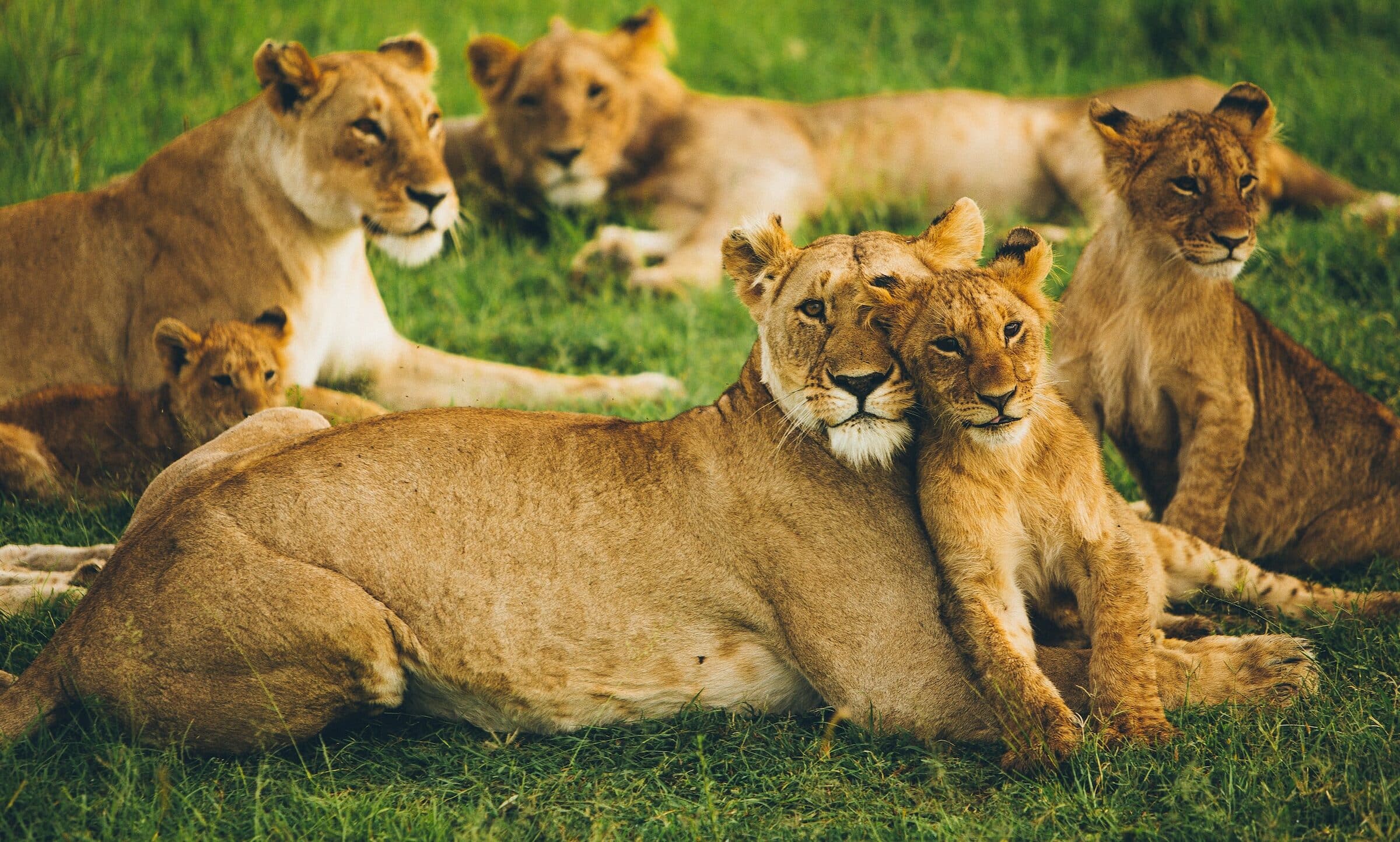
Lions were once among the most iconic species in Gorongosa before the park’s decline. Poaching and conflict reduced their numbers to near extinction. Today, lions are making a dramatic comeback, signaling the health of the ecosystem as a whole.
Through camera trap studies, GPS collaring, and monitoring programs supported by the Gorongosa Lion Project, researchers have confirmed a growing and healthy lion population. Many of these lions are second- or third-generation wild, born in the park and fully adapted to its landscapes.
Conservationists have also worked closely with local communities to minimize human-wildlife conflict and promote coexistence. Lion conservation in Gorongosa is about more than numbers—it’s about building resilient predator-prey systems and public trust.
Guests on guided drives now regularly spot lions patrolling the floodplains, offering unforgettable photographic and educational opportunities.
Learn more about lion recovery from the Gorongosa Project official site.
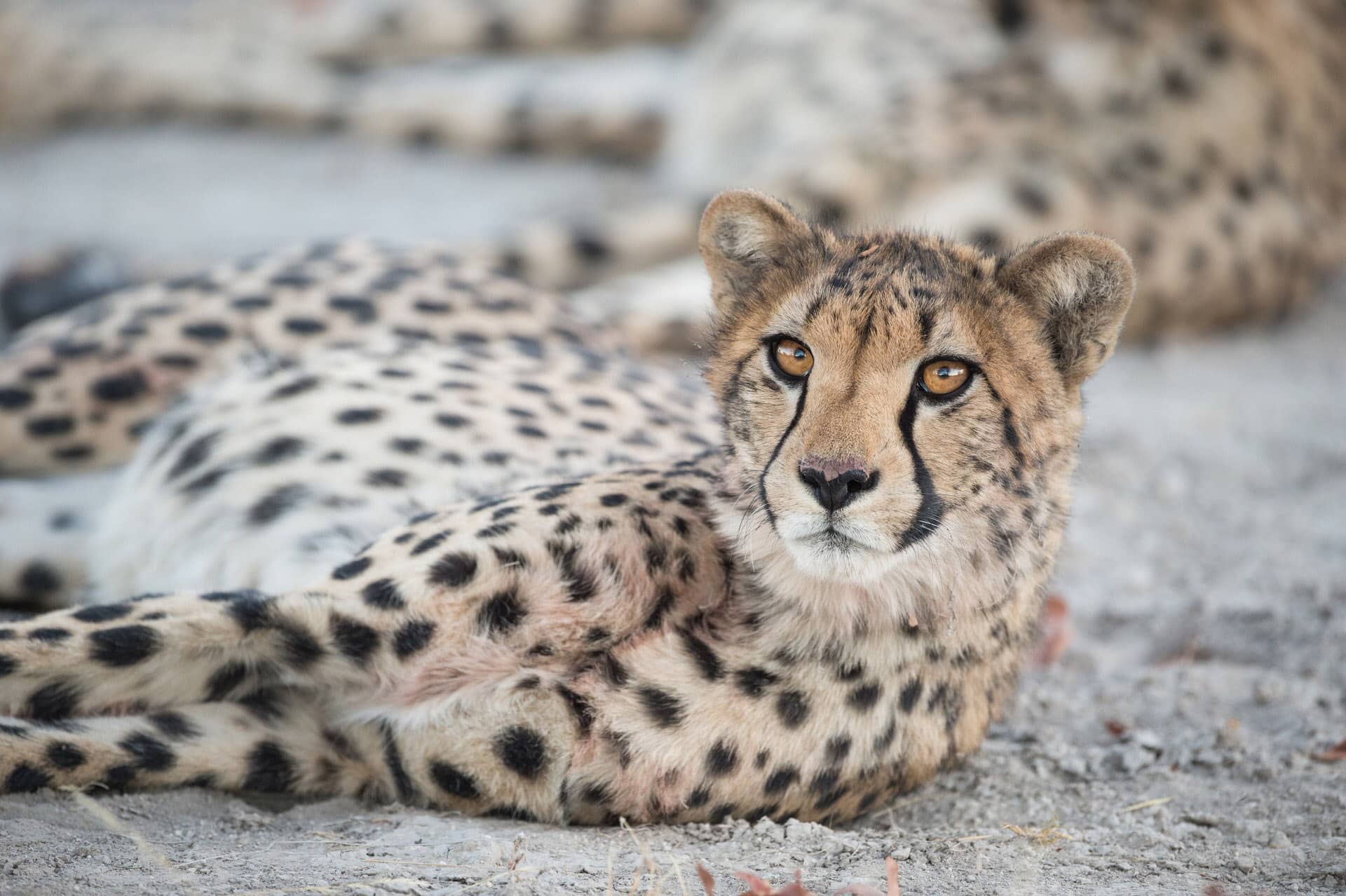
Cheetahs, the world’s fastest land mammals, were last seen in Gorongosa decades ago. But recent sightings and track evidence indicate these elusive cats may be returning. While not yet officially reintroduced like the wild dog, efforts are underway to assess suitable habitats and prey density for future reintroduction.
Conservationists are using camera traps, aerial surveys, and local tracker knowledge to confirm sporadic reports. If successful, cheetahs would add another apex predator to the park’s expanding roster, bringing ecological benefits and boosting conservation tourism potential.
Their return would also reconnect fragmented cheetah populations between Zimbabwe, Mozambique, and South Africa—critical for regional species survival.
Bringing cheetahs back to Gorongosa requires patience and precision. But the groundwork is already being laid by the park’s ecosystem science team and collaborating international partners.
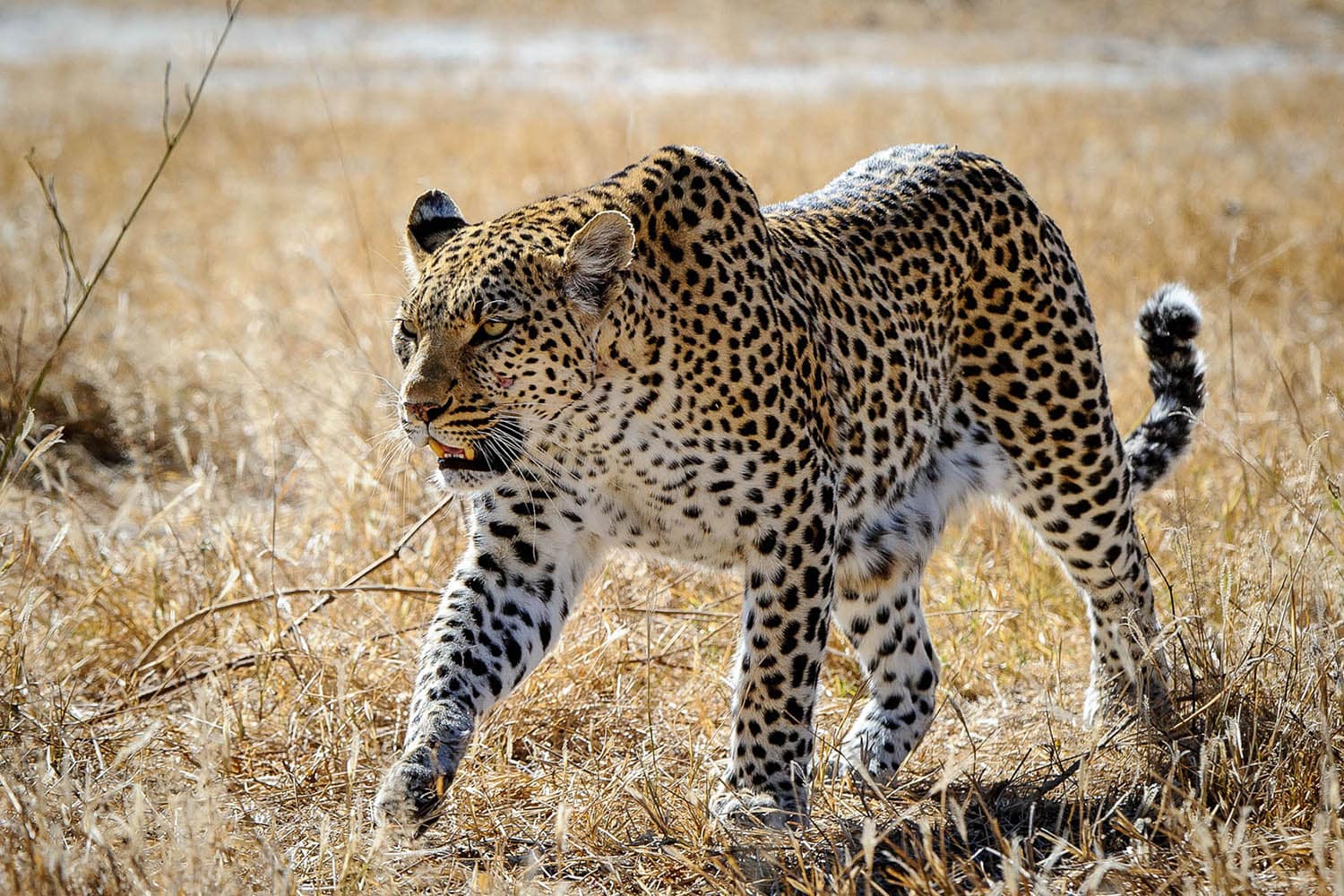
Unlike cheetahs and lions, leopards are masters of invisibility. Their return to Gorongosa has been gradual but promising. These solitary cats are now spotted via camera traps and remote monitoring, particularly in the park’s forested areas and escarpments near Mount Gorongosa.
Leopards are elusive by nature, but their presence is vital. As stealthy, adaptable hunters, they control smaller herbivore and primate populations and maintain ecosystem equilibrium.
Sightings remain rare—making any encounter truly special for travelers—but continued monitoring suggests stable population growth. Conservationists are working to minimize bushmeat poaching, which threatens both leopards and their prey species.
Every leopard photographed in Gorongosa adds to a growing mosaic of recovery and resilience.

Cape buffalo are iconic in Southern Africa and were historically abundant in Gorongosa. Civil war and illegal hunting decimated their numbers, but thanks to protection and repopulation programs, they are once again grazing the fertile floodplains.
Gorongosa’s buffalo herds now number in the hundreds, and their return has revitalized one of the park’s most important large herbivore communities. Their presence supports predator populations and grassland health, maintaining a balanced ecosystem.
The park’s research unit conducts regular aerial surveys and herd tracking, ensuring that growth remains sustainable. Buffalo herds are also key to tourism appeal, adding visual drama to drives and walking safaris.
Seeing a herd of buffalo stir up dust as they cross a floodplain is one of the great safari spectacles—and it’s now part of the Gorongosa experience.

Pangolins are the most trafficked mammals in the world, and Mozambique has been a hotspot for illegal trade. In response, Gorongosa launched a dedicated pangolin rescue and rehabilitation program, working alongside law enforcement and NGOs to intercept traffickers and save pangolins before it’s too late.
These shy, nocturnal creatures play a vital role in controlling ant populations and maintaining soil health. In Gorongosa, rescued pangolins are treated by wildlife veterinarians and monitored with GPS trackers before release.
Community education is also part of the mission. By raising awareness in buffer zones and involving local leaders, Gorongosa is creating a network of protectors.
Every rescued pangolin is a small but powerful win for biodiversity, signaling Gorongosa’s commitment to protecting even the most vulnerable and overlooked species.
Read more about pangolin threats and rescue efforts via TRAFFIC.org – a global wildlife trade monitoring network.
Visiting Gorongosa isn’t just a safari—it’s a chance to contribute to one of the most inspiring conservation efforts on the continent. Every guest supports habitat restoration, wildlife protection, and community upliftment. The park reinvests tourism revenue into schools, clinics, and training programs that benefit surrounding villages.
You’ll go beyond game drives, engaging with scientists, rangers, and locals who are shaping the future of conservation.
Voyage2Africa offers exclusive Gorongosa packages, including bush-and-beach combinations with Bazaruto:
Travel with purpose with Voyage2Africa—discover Gorongosa National Park Mozambique and be part of Africa’s conservation success story.


