
Mozambique is emerging as one of Africa’s most compelling safari and beach destinations, offering travellers the rare opportunity to experience meaningful conservation tourism alongside pristine Indian Ocean coastlines. A safari in Gorongosa National Park introduces visitors to one of the continent’s most inspiring wildlife recovery stories before continuing to tranquil island beaches along the central coast.
Unlike classic multi-country safari journeys, combining Gorongosa with Mozambique’s coastal destinations creates a cohesive travel experience within a single country. This structure allows travellers to explore diverse ecosystems, encounter recovering wildlife populations, and unwind beside coral reefs and remote sandbanks. Although Gorongosa is slightly less accessible than major safari hubs such as Kruger National Park; regional flight connections make safari and beach combinations far more straightforward than many visitors expect.
Understanding how Gorongosa safaris connect with Mozambique beach holidays helps travellers appreciate both the ecological importance and the travel potential of this remarkable region. The journey offers a powerful contrast between inland wilderness exploration and relaxed island living, creating an itinerary that feels immersive, purposeful, and refreshingly different from mainstream safari routes.

Choosing a Gorongosa safari and Mozambique beach holiday introduces travellers to one of Africa’s most rewarding and distinctive safari journeys. Unlike traditional safari circuits that combine multiple countries, this experience unfolds entirely within Mozambique, allowing visitors to discover a destination that remains wild, authentic, and uncrowded. Travellers benefit from exceptional wildlife encounters alongside access to some of the Indian Ocean’s most pristine coastal environments, creating a well-balanced itinerary that blends conservation-focused travel with tropical relaxation.
Gorongosa National Park stands apart from many established safari regions because of its extraordinary conservation history. During Mozambique’s civil war, wildlife populations declined dramatically, leaving ecosystems severely damaged. From the early 2000s, a long-term restoration partnership between the Mozambican government and international conservation organisations began rebuilding biodiversity across the park. Today, visitors witness floodplains once again supporting large antelope herds, expanding elephant populations, and gradually recovering predator territories. This ongoing recovery story adds emotional depth and authenticity to every safari experience.
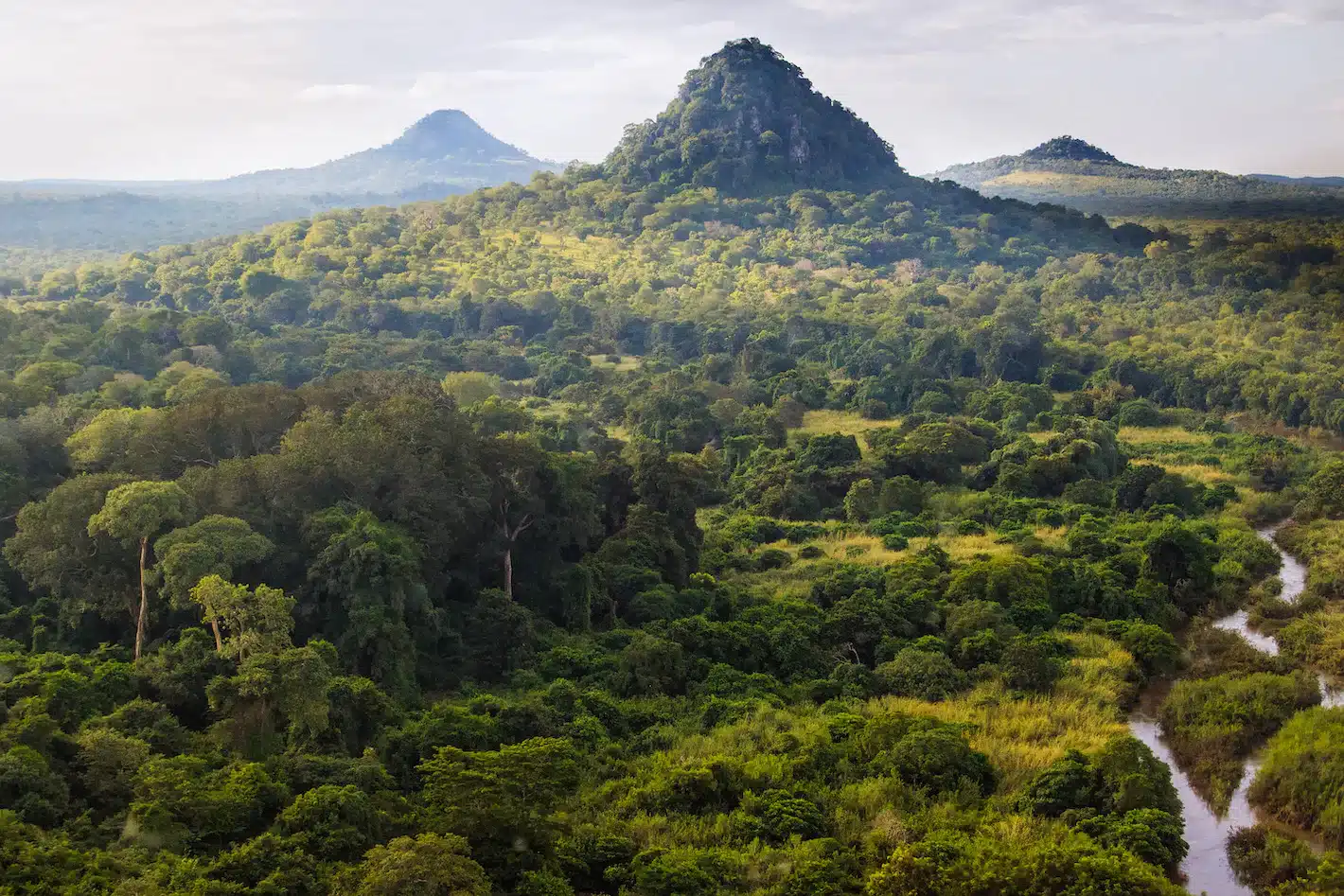
A Gorongosa safari also delivers a strong sense of exploration. The park’s varied environments include rivers, wetlands, forests, and the dramatic Mount Gorongosa massif, creating wildlife viewing opportunities that differ significantly from more famous savannah reserves. Guided game drives and walking safaris allow close encounters with diverse species while expert rangers interpret ecological restoration efforts and scientific research programmes. For many travellers, the opportunity to experience a safari destination actively contributing to conservation and community development makes the journey especially meaningful.
After the safari portion of the trip, Mozambique’s coastline provides the perfect contrast. Beach destinations near Vilanculos and within the Bazaruto Archipelago offer soft white sands, warm turquoise waters, and vibrant coral reef ecosystems. Activities such as snorkelling, dhow sailing, and island exploration allow guests to unwind after early safari mornings. This natural transition from wilderness to ocean creates a satisfying travel rhythm that helps visitors fully appreciate both environments.
Choosing a Gorongosa safari and Mozambique beach holiday also simplifies itinerary planning. Distances between safari regions and coastal gateways remain manageable, allowing travellers to combine immersive wildlife experiences with luxurious beach stays without excessive transit time. For those seeking a safari that feels purposeful, exploratory, and different from mainstream routes, this Mozambique journey offers a compelling alternative that continues to gain global recognition.

A safari in Gorongosa National Park offers travellers an immersive wilderness experience shaped by ecological diversity, conservation progress, and a genuine sense of discovery. Unlike more established safari destinations, Gorongosa feels dynamic and evolving, allowing visitors to explore landscapes and wildlife populations that continue to recover and expand. This environment creates meaningful safari encounters supported by expert guiding, intimate accommodation, and varied terrain that encourages exploration across multiple ecosystems.
The landscapes of Gorongosa National Park rank among the most ecologically diverse in southern Africa, combining vast floodplains, seasonal river systems, acacia woodlands, and forested mountain slopes. These contrasting habitats support growing populations of waterbuck, reedbuck, and sable antelope that move across open grasslands in impressive numbers. Elephant sightings are becoming increasingly common as conservation initiatives restore historic migration patterns, while predators, including lions and African wild dogs, are gradually re-establishing territorial ranges.
Extensive wetland systems attract exceptional birdlife, making Gorongosa one of Mozambique’s most rewarding destinations for birdwatching safaris. Seasonal flooding shapes vegetation density and wildlife distribution, ensuring that safari experiences vary meaningfully throughout the year. Travellers often value this sense of unpredictability, which contributes to a wilderness atmosphere that feels dynamic and authentic rather than highly structured or commercially developed.

One of the defining characteristics of a safari in Gorongosa National Park is the opportunity to explore a destination undergoing long-term ecological restoration. Instead of focusing purely on high-density wildlife sightings, safaris here emphasise biodiversity recovery, scientific research initiatives, and the gradual rebuilding of functioning ecosystems. This perspective encourages visitors to engage more deeply with conservation narratives and understand how tourism contributes to sustainable environmental management.
Visitor numbers remain relatively low compared with iconic reserves such as Kruger National Park or Botswana’s northern safari regions, creating uncrowded game viewing conditions and a stronger sense of wilderness immersion. Guides frequently tailor activities to guest interests, whether prioritising photography, birding, or interpretive conservation experiences. For travellers seeking an exploratory safari that rewards curiosity and patience rather than a checklist of sightings, Gorongosa offers a distinctive and increasingly sought-after alternative.
Daily safari routines in Gorongosa National Park follow a carefully balanced rhythm designed to maximise wildlife encounters while allowing time to absorb the surrounding environment. Early morning game drives depart at sunrise when temperatures remain cool and animal activity peaks. Guests travel through floodplains and woodland habitats with knowledgeable guides who interpret tracks, feeding patterns, and predator behaviour while explaining broader ecological processes shaping the park’s recovery.
Late morning hours are usually reserved for relaxation at the lodge, birdwatching from shaded viewing decks, or optional guided walks that reveal smaller ecological details often missed from vehicles. Afternoon game drives resume as wildlife becomes active again, sometimes extending into early evening to observe nocturnal species emerging from dense vegetation. Sundowner stops overlooking open plains or winding river channels create memorable safari moments, combining wildlife viewing with expansive views that highlight Gorongosa’s remarkable sense of scale.
Accommodation within Gorongosa National Park centres on small, carefully positioned safari lodges that prioritise environmental sensitivity and guest immersion in natural surroundings. Many properties overlook wetlands, river channels, or open floodplains, allowing travellers to observe wildlife movement directly from private decks or elevated communal viewing areas. Lodge architecture frequently incorporates sustainable materials, open-air design concepts, and minimal-impact construction techniques that align closely with the park’s long-term conservation objectives.
The guiding experience is widely regarded as one of Gorongosa’s greatest strengths. Professional rangers combine traditional tracking expertise with ecological knowledge gained through collaboration with conservation scientists and research teams operating in the park. This interpretive approach transforms game drives into educational journeys where guests learn about predator-prey dynamics, habitat restoration, and the broader challenges of biodiversity recovery. The result is a safari atmosphere that feels deeply immersive, intellectually engaging, and strongly connected to the surrounding wilderness.

Tourism plays a central role in supporting conservation progress within Gorongosa National Park and neighbouring rural areas. Revenue generated through safari travel contributes directly to anti-poaching patrols, wildlife monitoring programmes, and large-scale habitat restoration initiatives designed to rebuild ecological resilience. These efforts help stabilise animal populations while protecting fragile wetland and woodland ecosystems that sustain regional biodiversity.
Equally significant are community development programmes implemented in villages bordering the park. Conservation partnerships support access to education, healthcare services, and sustainable agriculture training, creating alternative livelihood opportunities that reduce reliance on natural resource exploitation. Travellers may participate in carefully managed cultural visits or community tourism experiences that provide insight into local traditions and conservation challenges. These interactions highlight how successful wildlife protection depends on long-term collaboration between protected areas and surrounding communities, reinforcing the value of responsible safari travel.
Wildlife photographers increasingly recognise Gorongosa National Park as one of southern Africa’s most visually rewarding safari destinations. Expansive floodplains, seasonal mist, and the dramatic silhouette of Mount Gorongosa create atmospheric backdrops that elevate both wildlife and landscape photography. Early morning drives often present opportunities to capture antelope herds moving through golden grasslands or elephants framed against pastel sunrise skies.
Wetland ecosystems attract diverse bird species, making Gorongosa particularly appealing for specialised bird photography. Raptors soar above open plains while colourful waterbirds gather along river margins, offering dynamic compositional possibilities. Seasonal vegetation changes influence colour tones and textures across the landscape, encouraging photographers to experiment with wide-angle scenic shots as well as intimate behavioural imagery. Experienced guides assist guests in positioning safari vehicles for optimal light direction and clean backgrounds while maintaining ethical wildlife viewing distances, ensuring consistently rewarding photographic conditions throughout the safari experience.
Travellers researching safari destinations often compare emerging parks with Africa’s most established wildlife regions. Understanding how Gorongosa National Park differs from iconic destinations such as Kruger National Park, Botswana’s Okavango Delta, and Tanzania’s Serengeti National Park helps travellers select an experience aligned with expectations, travel style, and budget. Each region delivers outstanding safari opportunities, yet the overall atmosphere, wildlife density, pricing structure, and journey rhythm vary considerably.

Kruger, northern Botswana, and Tanzania’s Serengeti ecosystem remain globally recognised for consistent Big Five sightings supported by large wildlife populations and mature tourism infrastructure. In these regions, experienced guides often locate lion prides, elephant herds, or buffalo concentrations within relatively short timeframes, particularly during dry-season months when animals gather near permanent water sources.
Safaris in Gorongosa National Park offer a different narrative shaped by ecological recovery rather than established abundance. Wildlife numbers continue to increase following decades of conservation work, meaning sightings can feel exploratory and deeply rewarding rather than predictable. For many travellers, this creates a meaningful safari dynamic focused on ecosystem restoration, biodiversity richness, and long-term environmental stewardship. Visitors experience a landscape evolving year by year, which appeals strongly to repeat safari travellers and nature enthusiasts seeking depth beyond traditional game viewing expectations.
Visitor density represents another major distinction between these destinations. Kruger’s accessibility and popularity support excellent guiding standards and diverse accommodation options, yet certain private reserve areas can feel busy during peak seasons. Botswana’s low-impact tourism model limits vehicle numbers within private concessions, creating exceptional wilderness immersion, although exclusivity often comes with premium pricing.
The Serengeti attracts global attention due to the Great Migration spectacle, particularly during dramatic river crossing periods that draw photographers and wildlife enthusiasts from around the world. By contrast, Gorongosa National Park remains far quieter. Limited lodge capacity and its emerging destination status allow travellers to explore vast floodplains and woodland ecosystems without frequent encounters with other safari vehicles. This pioneering atmosphere enhances photographic opportunities while encouraging deeper engagement with natural surroundings and conservation stories.
Safari pricing varies significantly across Africa’s leading wildlife regions. Botswana generally occupies the upper tier of the luxury safari market due to remote fly-in logistics, exclusive camp models, and limited guest numbers. Tanzania offers a broad pricing spectrum ranging from mobile migration camps to premium permanent lodges positioned within prime wildlife zones. Kruger provides strong value thanks to varied accommodation styles that include both accessible private reserves and ultra-luxury safari properties.
Journeys centred on Gorongosa National Park typically fall within a competitive mid-range to upper-mid pricing category. Lodges deliver high guiding standards, personalised service, and immersive wilderness settings, while overall trip costs often remain lower than equivalent fly-in safaris in Botswana. This positioning allows travellers to combine a conservation-focused safari with a Mozambique beach extension without exceeding typical luxury safari budgets. The result is a balanced itinerary that integrates meaningful wildlife encounters with high-quality coastal relaxation.
Ease of access plays an important role in safari planning. Kruger benefits from multiple daily flights from Johannesburg into nearby regional airports and private airstrips, making it one of Africa’s most straightforward safari destinations for first-time visitors. Botswana’s remote concessions require light aircraft transfers that add adventure but also increase travel costs. Tanzania’s northern safari circuit connects efficiently through Arusha and Kilimanjaro airports, supported by well-established ground and air routing networks.
Reaching Gorongosa National Park typically involves regional flights into Beira, followed by road transfers or short charter flights into the park. Although slightly less direct than access to Kruger, travel times remain realistic within well-planned itineraries. Importantly, onward connections to Mozambique’s central coast near Vilanculos make safari and beach combinations particularly efficient compared with multi-country safari routes that require complex international flight scheduling.
Ultimately, choosing between these safari destinations depends on personal travel priorities and expectations. Kruger suits first-time safari travellers seeking reliable wildlife viewing, varied lodge styles, and straightforward logistics. Botswana appeals to experienced safari enthusiasts who prioritise exclusivity, remote wilderness immersion, and premium guiding experiences. Tanzania attracts travellers drawn to vast savannah scenery, large predator populations, and the seasonal drama of the Great Migration.
A journey focused on Gorongosa National Park offers a distinctive alternative shaped by conservation purpose, ecological diversity, and uncrowded exploration. Travellers who value storytelling, scientific insight, and evolving wildlife recovery often find the experience deeply fulfilling. When combined with Mozambique’s pristine island beaches and coral reef ecosystems, Gorongosa creates a safari itinerary defined not only by sightings but by a stronger connection to Africa’s environmental future and cultural landscapes.

Combining a safari in Gorongosa National Park with Mozambique’s Indian Ocean coastline is far more straightforward than many travellers initially expect. The journey typically begins with a regional flight into Beira, followed by a scenic road transfer or short charter flight into the park. After several nights exploring floodplains, forests, and river systems on safari, guests return to Beira to connect with scheduled flights south to Vilanculos, widely regarded as the gateway to the country’s most celebrated island destinations.
Light aircraft and helicopter transfers play a crucial role in creating seamless safari and beach itineraries. From Vilanculos, short panoramic flights transport travellers to offshore lodges within the Bazaruto Archipelago, dramatically reducing travel time compared with traditional boat transfers. These flights often take less than fifteen minutes yet provide unforgettable aerial views of turquoise lagoons, coral reef formations, and shifting sandbanks that define the region’s marine landscape.
Travel time realism is an important factor when planning multi-destination journeys. A well-structured Gorongosa to Vilanculos routing can usually be completed comfortably within half a day when flight schedules align efficiently. This makes the combination especially appealing for travellers seeking varied experiences without excessive transit fatigue. The natural progression from early safari mornings to relaxed coastal afternoons creates a satisfying journey rhythm that balances exploration with restoration.
Vilanculos works exceptionally well as a beach base due to its reliable flight connectivity, diverse lodge portfolio, and proximity to outstanding snorkelling and island-hopping opportunities. Travellers can enjoy dhow sailing excursions, marine safaris, and guided visits to remote sandbanks while maintaining flexible travel logistics. For those prioritising privacy and luxury, nearby Benguerra Island offers premium accommodation, expansive beaches, and a stronger sense of seclusion within protected marine environments. This combination of accessibility and exclusivity allows visitors to tailor Mozambique beach extensions according to both budget and travel style.
Seasonal planning plays a major role in shaping both safari experiences in Gorongosa National Park and beach conditions along Mozambique’s Indian Ocean coastline. Understanding how rainfall patterns influence wildlife movement, vegetation density, and marine activity helps travellers choose the most rewarding travel window for a combined safari and beach holiday.
Gorongosa’s dry season, typically from May to October, offers the most consistent wildlife viewing conditions. During these cooler months, grasses thin across floodplains and animals gather near permanent water sources, making sightings easier during morning and afternoon game drives. Temperatures remain comfortable, humidity is lower, and walking safaris become particularly enjoyable. Photographers also appreciate the clearer skies and golden seasonal light that enhances landscape compositions.

The green season from November to March transforms Gorongosa into a dramatically lush wilderness. Seasonal rains rejuvenate wetlands and woodland habitats, attracting migratory bird species and creating outstanding birdwatching opportunities. While wildlife can be more dispersed due to abundant grazing and surface water, the scenery becomes exceptionally vibrant, and fewer visitors travel during this period. Travellers interested in conservation dynamics, dramatic skies, and photographic contrasts often find this season deeply rewarding despite occasional travel disruptions.
Mozambique’s coastal destinations near Vilanculos and within the Bazaruto Archipelago generally align well with safari travel windows. From May to October, conditions typically feature clear skies, lower humidity, and calmer seas ideal for snorkelling, diving, and dhow excursions. Visibility on coral reefs improves during these months, allowing marine enthusiasts to explore vibrant underwater ecosystems with greater comfort.
Summer months along the coast can feel warmer and more humid, with the possibility of tropical storms or cyclonic weather systems influencing sea conditions between January and March. However, this period also brings rich marine life activity. Humpback whale migrations along Mozambique’s coastline usually occur between July and October, while turtle nesting seasons extend into the warmer months, offering unique wildlife encounters for travellers who prioritise marine experiences.
Shoulder seasons in April and November often deliver an excellent balance of favourable weather, improved travel availability, and competitive pricing. These transitional periods can provide rewarding safari sightings alongside pleasant beach conditions, making them ideal for travellers seeking value without sacrificing overall experience quality. Aligning travel dates carefully with both wildlife patterns and coastal weather trends allows visitors to maximise the diversity and enjoyment of a Gorongosa safari and Mozambique beach journey.
Understanding travel costs helps visitors make informed decisions when planning a combined safari in Gorongosa National Park and a beach stay along Mozambique’s Indian Ocean coastline. Regional flight pricing varies according to travel season, booking lead time, and routing efficiency. Return fares between major southern African hubs and gateway towns such as Beira or Vilanculos typically fall within a moderate to premium range. Travellers who book well in advance often secure more favourable airfares, while last-minute reservations can significantly increase overall trip budgets and reduce routing options.
Charter flights introduce greater itinerary flexibility but also increase travel costs. Private light aircraft transfers allow direct access to remote safari airstrips and island lodges in the Bazaruto Archipelago, reducing transit times and enhancing overall comfort. These scenic flights also add experiential value, offering memorable aerial perspectives over floodplains, coral reefs, and shifting sandbanks that define central Mozambique’s landscapes. For many travellers, the time saved and seamless routing justify the additional investment within a premium safari and beach itinerary.
Safari lodge pricing in Gorongosa generally sits within the mid-range to upper-mid luxury category, delivering strong value compared with remote fly-in camps in destinations such as Botswana. Accommodation typically includes guided game drives, meals, and conservation activities, simplifying budgeting. Beach lodges vary more widely in price positioning, ranging from boutique mainland properties near Vilanculos to exclusive island resorts on Benguerra Island. Here, privacy, personalised service, and high-quality marine experiences often justify higher nightly rates.
Combining safari and beach destinations through tailored travel packages often proves more cost-effective than booking each component independently. Specialist tour operators coordinate regional flights, lodge availability, and transfer logistics within a single itinerary structure, helping travellers avoid costly schedule mismatches or unexpected delays. Package planning also provides reassurance through consolidated support should weather conditions or regional flight disruptions occur, ensuring smoother travel flow across multiple destinations.
Travel insurance remains essential for multi-destination journeys across southern Africa. Comprehensive policies should include cover for regional flight delays, luggage loss, and emergency medical evacuation where required. Visa regulations for Mozambique vary by nationality and may change periodically, making it important to confirm entry requirements before departure. Health planning typically includes malaria prevention strategies, insect bite protection, and routine travel vaccinations recommended by medical professionals prior to travel.
Deciding between scheduled and charter flights ultimately depends on budget, available travel time, and preferred comfort levels. Scheduled services offer affordability and predictable departure schedules, while charter options enable direct routing and greater itinerary customisation. Many travellers choose a combination of both to balance efficiency and cost. Practical planning also includes budgeting for guide gratuities, recognising that tipping remains customary within safari environments, and carrying small amounts of local currency for incidental expenses in regional towns.
A safari in Gorongosa National Park combined with time on Mozambique’s Indian Ocean coastline appeals to travellers seeking a journey that feels both purposeful and immersive. The experience suits a wide range of travel styles, particularly those who value meaningful wildlife encounters alongside tranquil coastal relaxation in destinations such as Vilanculos and the islands of the Bazaruto Archipelago.
Honeymoon travellers are especially drawn to this itinerary because it balances adventure with privacy and romance. Early morning game drives followed by afternoons on secluded beaches or dhow cruises at sunset create a memorable rhythm that feels intimate yet exploratory. Exclusive island lodges on Benguerra Island offer premium suites, personalised service, and expansive ocean views, making them ideal for couples celebrating special occasions.
Repeat safari travellers often find Gorongosa particularly rewarding. Having experienced classic wildlife destinations elsewhere in Africa, many seek journeys that feel less commercialised and more conservation-driven. The park’s evolving ecosystems, uncrowded game viewing, and interpretive guiding style provide fresh perspectives that deepen safari understanding beyond traditional Big Five expectations.
Conservation-focused visitors are naturally aligned with this route. Tourism in Gorongosa contributes directly to wildlife restoration and community development initiatives, allowing travellers to engage with projects that support education, sustainable agriculture, and habitat protection. This sense of positive impact adds emotional depth to the overall journey.
Photographers and birdwatchers also benefit from the region’s remarkable ecological diversity. Floodplain landscapes produce dramatic lighting conditions for wildlife imagery, while wetlands attract prolific birdlife throughout the year. Coastal environments introduce additional photographic opportunities, from turquoise reef systems and sandbanks to traditional dhow sailing scenes that reflect Mozambique’s maritime heritage.
Adventure travellers appreciate the variety of activities possible within a single itinerary. Walking safaris, mountain excursions, island-hopping boat trips, and cultural interactions in coastal towns create an active travel pace that contrasts with more lodge-focused safari holidays. The journey rewards curiosity and flexibility, encouraging travellers to explore landscapes that remain relatively undiscovered.
This safari and beach combination may be less suitable for visitors whose primary goal is high-density predator sightings or ultra-fast travel between destinations. Families with very young children may also prefer reserves with shorter transfer times and larger lodge infrastructures. However, for travellers prioritising authenticity, conservation storytelling, and scenic diversity, a Gorongosa and Mozambique beach holiday delivers a distinctive African experience shaped by discovery and purpose.
Well-structured safari and beach packages simplify the planning process by combining accommodation, regional flights, transfers, and guided wildlife activities into one cohesive itinerary. Travellers typically begin by selecting preferred safari lodges within Gorongosa National Park before choosing complementary coastal properties near Vilanculos or on the idyllic islands of the Bazaruto Archipelago. Tailor-made journeys can include charter flights, helicopter transfers, and curated cultural experiences that transform travel logistics into memorable highlights of the adventure.
Trip length guidance plays an important role in successful safari planning. A well-balanced itinerary typically includes three to four nights in Gorongosa to allow meaningful wildlife exploration, followed by several nights on the coast to unwind and experience marine activities. Longer journeys may incorporate additional island stays on Benguerra Island or extended safari time to deepen conservation engagement and photographic opportunities.
Working with regional Mozambique specialists ensures seasonal conditions, flight schedules, and lodge availability align efficiently. Expert planners coordinate connections, manage unforeseen changes, and recommend routing strategies that maximise time in nature rather than in transit. This support proves particularly valuable in emerging safari regions where travel infrastructure continues to evolve.
Choosing a professionally designed safari and beach package also provides clarity around inclusions, budgeting, and overall journey pacing. Travellers benefit from insider destination knowledge, trusted lodge partnerships, and real-time operational support throughout their trip. The result is a seamless African experience that combines immersive wildlife discovery with restorative Indian Ocean relaxation.
Planning a Gorongosa safari and Mozambique beach holiday offers the opportunity to explore one of Africa’s most inspiring conservation success stories alongside some of the continent’s most beautiful tropical island landscapes. Speak to the Voyage2Africa team to design a personalised itinerary that balances adventurous safari exploration with the perfect Mozambique beach escape.

A well-structured safari and beach journey allows travellers to experience the ecological richness of Gorongosa National Park before transitioning to the relaxed coastal environments of Mozambique’s Indian Ocean islands. A ten-day itinerary typically provides the ideal balance between wildlife exploration and tropical relaxation while maintaining comfortable travel pacing.
Travellers usually arrive via regional flights into Beira before transferring by road or light aircraft into Gorongosa. The first afternoon often includes a gentle introductory game drive to familiarise guests with the park’s floodplain landscapes and wildlife recovery story. Early evenings at the lodge provide opportunities to enjoy sunset views, conservation briefings, and relaxed dining in natural surroundings.
Morning and afternoon game drives maximise wildlife viewing opportunities across diverse habitats, including wetlands, woodland areas, and seasonal river systems. Optional guided walks and birdwatching excursions add variety while deepening understanding of ecological restoration efforts. Sundowner stops overlooking open plains create memorable safari moments that highlight the park’s vast wilderness atmosphere.
After a final morning activity, travellers return to Beira to connect with flights south to Vilanculos. From here, short helicopter or light aircraft transfers carry guests across turquoise waters to island lodges within the Bazaruto Archipelago. This scenic transition marks a natural shift from active safari rhythms to slower coastal relaxation.
Island stays focus on marine activities and restorative downtime. Guests can enjoy snorkelling excursions over coral reefs, traditional dhow sailing trips, guided island walks, and optional fishing experiences. Lodges on Benguerra Island offer exceptional privacy and personalised service, while mainland stays near Vilanculos provide flexible access to sandbank picnics and cultural visits.
Travellers return to Vilanculos by helicopter or boat before connecting with onward regional or international flights. Many visitors choose to extend their journey with additional beach nights or multi-country safari combinations, depending on available time.
A journey combining a safari in Gorongosa National Park with time on Mozambique’s pristine Indian Ocean islands offers one of Africa’s most meaningful and visually rewarding travel experiences. From immersive wildlife encounters shaped by conservation recovery to tranquil days spent exploring coral reefs near Vilanculos and the idyllic shores of the Bazaruto Archipelago, this itinerary delivers a rare balance of adventure and relaxation.
Planning safari logistics, regional flights, lodge availability, and seasonal timing can feel complex, particularly in emerging destinations where specialist knowledge makes a significant difference. The Voyage2Africa team brings first-hand experience, trusted lodge partnerships, and detailed routing expertise to every journey we design. Whether you are travelling for a honeymoon, a return safari, or a conservation-focused adventure, we create personalised itineraries that maximise wildlife experiences while ensuring seamless transitions between safari and beach.
Speak to our Mozambique travel specialists today to begin planning your Gorongosa safari and beach holiday. Let us help you discover a destination that remains wild, inspiring, and beautifully uncrowded — where every journey contributes to conservation progress and unforgettable Indian Ocean memories.


