
An African Safari and Beach Vacation combines thrilling wildlife encounters with relaxing time beside warm Indian Ocean waters. Travellers across the world choose this style of journey because it delivers diversity, adventure, and restorative coastal experiences in a single itinerary. From iconic game drives in protected wilderness areas to tropical island escapes with snorkelling and dhow cruises, safari and beach travel represents one of Africa’s most rewarding holiday styles.
Understanding how an African safari and beach vacation works helps travellers design routes that balance wildlife viewing, travel logistics, and leisure time. This guide explains the most popular safari parks, highlights leading beach destinations, and offers practical planning advice for creating a seamless multi-destination journey.

The popularity of the African Safari and Beach Vacation continues to grow because it combines two contrasting travel experiences that complement each other perfectly. Safari days begin early with guided game drives, bush walks, or wildlife photography excursions. Evenings bring fireside dining, star-filled skies, and immersive nature encounters.
After several days in the bush, travellers often appreciate the slower rhythm of coastal destinations where they can unwind beside the ocean. Beach extensions offer opportunities for swimming, snorkelling, cultural exploration, and spa relaxation. This combination allows travellers to experience Africa’s ecological diversity while maintaining comfortable travel pacing.
A well-structured safari and beach journey also maximises long-haul flight value by including multiple environments within a single trip.
Choosing the right safari destination forms a key step when planning an African Safari and Beach Vacation. Southern Africa offers world-class wildlife reserves that pair naturally with Indian Ocean beaches.
Kruger National Park remains one of the most accessible safari regions, with excellent infrastructure, diverse ecosystems, and strong Big Five viewing opportunities. Nearby private reserves enhance the experience through expert guiding and exclusive accommodation.
Botswana’s Okavango Delta provides a more remote safari environment where travellers explore wetlands by mokoro canoe or boat. East Africa also contributes to iconic destinations such as the Serengeti, known for its vast plains and seasonal wildlife migrations.
Each safari park offers distinct landscapes and travel logistics, so route planning should align with traveller expectations and time availability.

After wildlife exploration, travellers extend their African Safari and Beach Vacation at coastal destinations that provide warm weather, marine biodiversity, and scenic island settings. The Indian Ocean coastline features numerous beaches suited to relaxation and water-based activities.
Popular destinations include Mozambique’s island archipelagos, Tanzania’s historic spice islands, and Kenya’s palm-lined shores. Beach experiences may involve snorkelling over coral reefs, sailing traditional dhows, or simply enjoying quiet time in ocean-view accommodation.
The choice of beach destination often depends on proximity to safari regions, available flight routes, and preferred travel style.
Mozambique plays a leading role in many African Safari and Beach Vacation itineraries because its coastline remains relatively untouched compared with more developed resort regions. Island destinations such as the Bazaruto Archipelago offer powder-white beaches, turquoise waters, and vibrant marine ecosystems.
Travellers can enjoy activities including snorkelling, scuba diving, horse riding along the shore, and sunset dhow cruises. The atmosphere feels relaxed and exclusive, making Mozambique especially attractive for honeymooners or travellers seeking privacy after busy safari days.
Direct regional flights from safari hubs allow seamless travel connections, strengthening Mozambique’s position as a premier beach extension destination.

Zanzibar also features prominently in the planning of an African Safari and Beach Vacation. Located off Tanzania’s coast, the island blends cultural heritage with coastal beauty. Travellers can explore historic Stone Town, visit spice plantations, or relax on beaches along the island’s eastern shoreline.
Other Indian Ocean beach options include mainland coastal resorts in Kenya or Tanzania, where travellers enjoy water sports, marine conservation experiences, and vibrant local cuisine. These destinations provide excellent alternatives for travellers who prefer easily accessible beach environments.
Comparing beach regions helps travellers select destinations that match both logistical needs and desired holiday atmosphere.

Successful planning ensures that an African Safari and Beach Vacation flows smoothly between remote wilderness and coastal relaxation. Travellers should consider flight routes, transfer times, and visa requirements when structuring multi-country itineraries.
Many journeys route through major aviation hubs such as Johannesburg or Nairobi before continuing to safari airstrips or coastal airports. Travel specialists help coordinate baggage allowances, charter flights, and road transfers to minimise travel fatigue.
Balancing safari intensity with beach downtime remains essential. A common itinerary includes three to five nights on safari followed by a similar time at the coast. This pacing allows travellers to fully appreciate both environments without feeling rushed.
Planning also improves lodge availability and pricing options.
Seasonal timing influences wildlife visibility and beach weather during an African Safari and Beach Vacation. Dry winter months in Southern Africa typically provide excellent game viewing as animals gather around limited water sources. These conditions attract peak travel demand, which can increase accommodation pricing.
Coastal regions experience warm temperatures for most of the year, though wind patterns and rainfall vary by destination. Travellers who choose shoulder seasons may enjoy quieter beaches and competitive rates while still experiencing rewarding wildlife encounters.
Understanding regional climate patterns helps travellers align travel dates with personal priorities such as photography opportunities or swimming conditions.
Safety planning forms an essential part of any African Safari and Beach Vacation. Reputable safari lodges operate within structured conservation environments where professional guides manage wildlife encounters responsibly. Travellers receive safety briefings before game drives, bush walks, or boat excursions to ensure they understand behavioural guidelines.
Coastal destinations also maintain safety standards through trained staff, clearly marked swimming zones, and organised marine activities. Travellers should follow local advice regarding tides, currents, and sun protection.
Comprehensive travel insurance provides financial protection against unexpected disruptions such as flight delays or medical emergencies. Careful preparation allows travellers to focus on enjoying their journey with confidence.
Budget awareness helps travellers design an African Safari and Beach Vacation that balances comfort with affordability. Safari pricing often includes accommodation, meals, conservation fees, and guided activities. Beach resorts may include breakfast and selected excursions while offering optional premium experiences at additional cost.
Flights between safari regions and coastal destinations represent another important budget component. Travellers can manage expenses by mixing accommodation categories or travelling outside peak demand periods.
Working with experienced safari planners often reveals cost-saving opportunities such as seasonal promotions or efficient routing strategies.
A defining feature of any African Safari and Beach Vacation involves the diversity of wildlife encounters travellers experience in protected reserves. Guided game drives introduce visitors to elephants moving through riverine forests, lions resting in open savannah grasslands, and herds of antelope gathering near water sources. Rangers interpret animal behaviour and track fresh signs in the bush, creating dynamic and educational safari moments.
Birdwatching also enhances safari exploration, particularly during early morning drives when light conditions favour photography and wildlife activity increases. These immersive encounters help travellers understand conservation challenges while appreciating Africa’s ecological richness. Wildlife experiences often become the emotional highlights of multi-destination journeys.
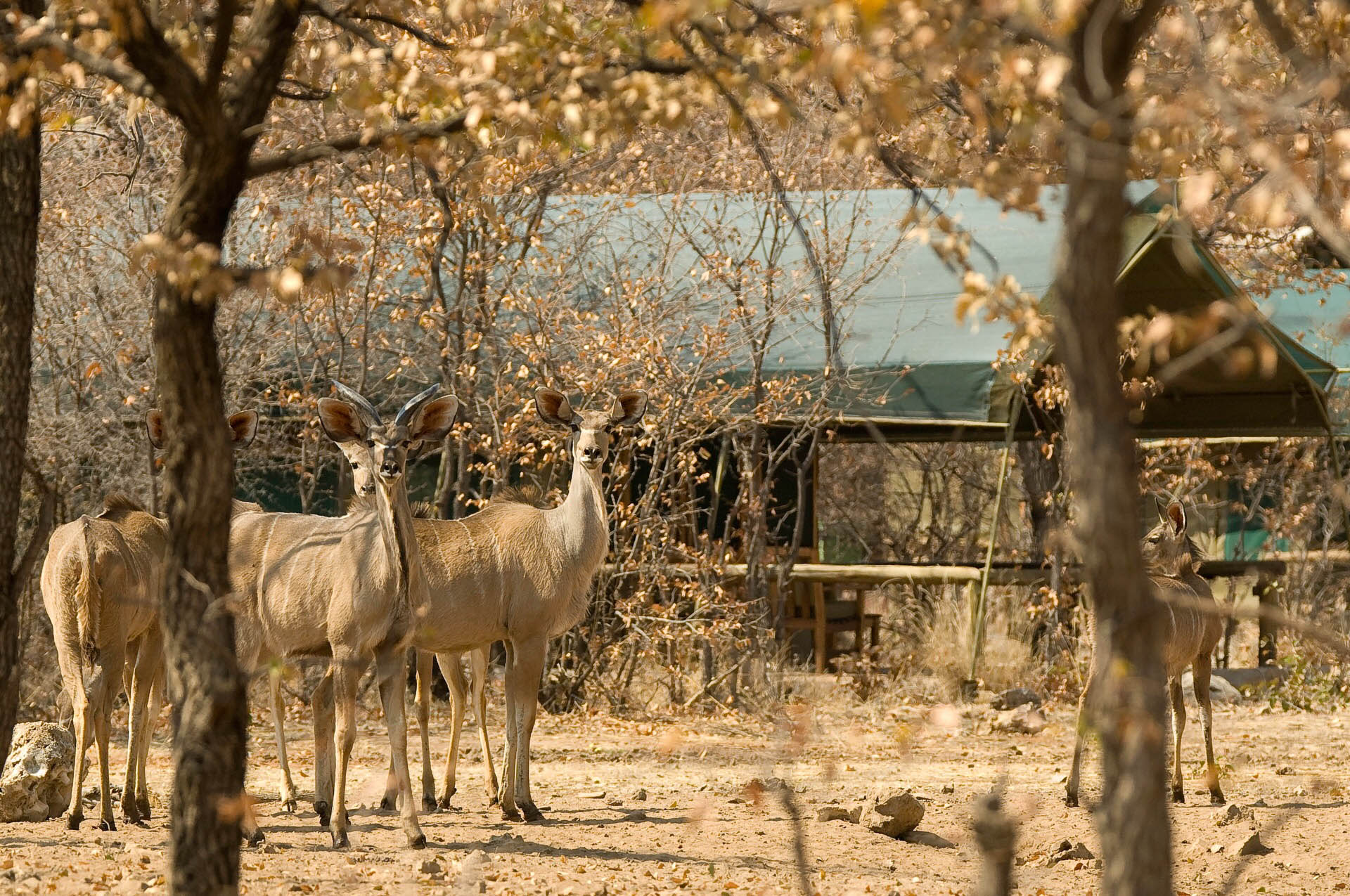
Travellers planning an African Safari and Beach Vacation enjoy remarkable contrasts in scenery as they move between inland wilderness and coastal environments. Safari regions feature expansive plains, rocky outcrops, wetlands, or woodland habitats, depending on destination choice. These landscapes support varied wildlife populations and offer dramatic sunrise and sunset viewing opportunities.
Coastal destinations introduce different visual elements, including white sand beaches, turquoise lagoons, and dune systems shaped by ocean winds. Boat excursions and scenic flights reveal striking colour variations between reef formations and deeper waters. This changing geography adds visual excitement and keeps travellers engaged throughout the journey.
Experiencing multiple ecosystems within one itinerary increases overall travel satisfaction.

Cultural discovery adds depth to an African Safari and Beach Vacation, allowing travellers to connect with local communities and traditions. Guided village visits near safari reserves may include demonstrations of craft-making, storytelling, or traditional cooking techniques. These interactions provide insight into how rural communities coexist with wildlife conservation initiatives.
Along the coast, visitors often encounter Portuguese-influenced architecture, seafood markets, and dhow-building workshops that reflect centuries of maritime trade history. Participating in cultural excursions helps travellers understand the human stories behind Africa’s natural landscapes.
Meaningful cultural experiences create lasting impressions that complement wildlife and beach relaxation moments.

Photography enthusiasts frequently choose an African Safari and Beach Vacation to capture varied subjects within a single trip. Safari environments offer opportunities to photograph dramatic wildlife action, textured landscapes, and golden-hour lighting conditions. Telephoto lenses help capture distant animals while wide-angle perspectives showcase expansive scenery.
Beach destinations introduce softer tones and reflective surfaces ideal for sunrise or sunset imagery. Traditional dhow sails silhouetted against colourful skies create iconic travel photographs. Planning camera equipment and storage solutions in advance helps travellers document their journey effectively.
Combining wildlife and coastal photography enhances storytelling potential when travellers share memories after returning home.
Wellness experiences form an increasingly popular component of the modern African Safari and Beach Vacation. After active safari days that include early wake-up times and outdoor exploration, travellers often prioritise spa treatments, yoga sessions, or meditation spaces at beach resorts. Ocean breezes and natural surroundings support physical recovery and mental relaxation.
Some lodges offer holistic programmes that combine massage therapies with guided nature walks or mindfulness activities. These experiences help travellers transition smoothly from high-energy wildlife encounters to restorative coastal downtime.
Wellness-focused travel elements contribute to the balanced rhythm that defines successful safari and beach holidays.

Responsible travel choices play a significant role in shaping an African Safari and Beach Vacation. Many safari lodges support anti-poaching initiatives, habitat restoration projects, and community education programmes. Travellers contribute to these efforts through conservation fees and ethical tourism practices.
Beach resorts also participate in marine protection activities such as reef monitoring, turtle conservation, and waste reduction strategies. Visitors can support sustainability by respecting wildlife guidelines, reducing plastic usage, and choosing eco-conscious operators.
Engaging with conservation initiatives adds purpose to travel experiences while helping preserve Africa’s natural heritage for future generations.
Preparing appropriate luggage ensures a comfortable African Safari and Beach Vacation. Travellers should pack lightweight neutral clothing for safari environments, sturdy walking shoes, and layered garments for cooler mornings. Sun protection, including hats, sunglasses, and sunscreen, remains essential across both inland and coastal regions.
Beach extensions require swimwear, sandals, and waterproof bags for marine excursions. Binoculars, reusable water bottles, and compact travel adapters also improve convenience throughout the journey. Thoughtful packing reduces stress during transfers and helps travellers focus on enjoying diverse travel experiences.
Practical preparation supports smoother transitions between destinations.
Some travellers extend their African Safari and Beach Vacation by adding iconic regional highlights such as scenic cities, waterfalls, or wine regions. Cape Town offers dramatic coastal landscapes and culinary experiences, while Victoria Falls introduces adventure activities like river cruises or helicopter flights. These extensions create broader travel narratives and maximise long-haul flight value.
Travel specialists design routing strategies that maintain comfortable pacing while incorporating additional destinations. Extended itineraries suit travellers with more time who want to explore multiple aspects of southern or eastern Africa.
Strategic trip extensions transform memorable holidays into comprehensive African journeys.
A sample African Safari and Beach Vacation might begin with arrival in Johannesburg, followed by a short flight to a private reserve near Kruger National Park. Travellers spend several days tracking wildlife, enjoying bush dinners, and learning about conservation initiatives.
The journey then continues with a regional flight to Mozambique’s coast, where island resorts provide snorkelling adventures, ocean-view dining, and cultural experiences in local fishing villages. Final days focus on relaxation before international departure.
This itinerary structure illustrates how safari and beach environments combine to create a diverse yet harmonious travel experience.
An African safari and beach holiday offers an unmatched variety, blending wilderness exploration with tropical relaxation. Travellers who plan carefully can experience multiple ecosystems, cultures, and landscapes within one unforgettable trip.
Voyage2Africa travel specialists assist with itinerary design, logistics coordination, and destination selection. Enquire today to begin planning your personalised safari and beach adventure across Africa’s most inspiring regions.


