
Planning a safari in Mozambique often begins with one important question: how should the journey actually be structured? A well-planned Gorongosa safari itinerary helps travellers understand how many days to spend in the park, how safari activities unfold, and whether a beach extension can easily be added afterward.
As one of Africa’s emerging safari destinations, Gorongosa National Park offers a quieter and more immersive experience than many busier reserves. The combination of wildlife viewing, guided activities and relaxed safari pacing makes it ideal for travellers wanting a deeper connection to the landscape. Many visitors also combine Gorongosa with Mozambique’s Indian Ocean coastline, creating one of the most rewarding safari and beach holidays in Africa.
Whether planning a dedicated safari trip or a broader Mozambique safari itinerary, understanding the rhythm of the journey helps travellers make the most of their time in the park.
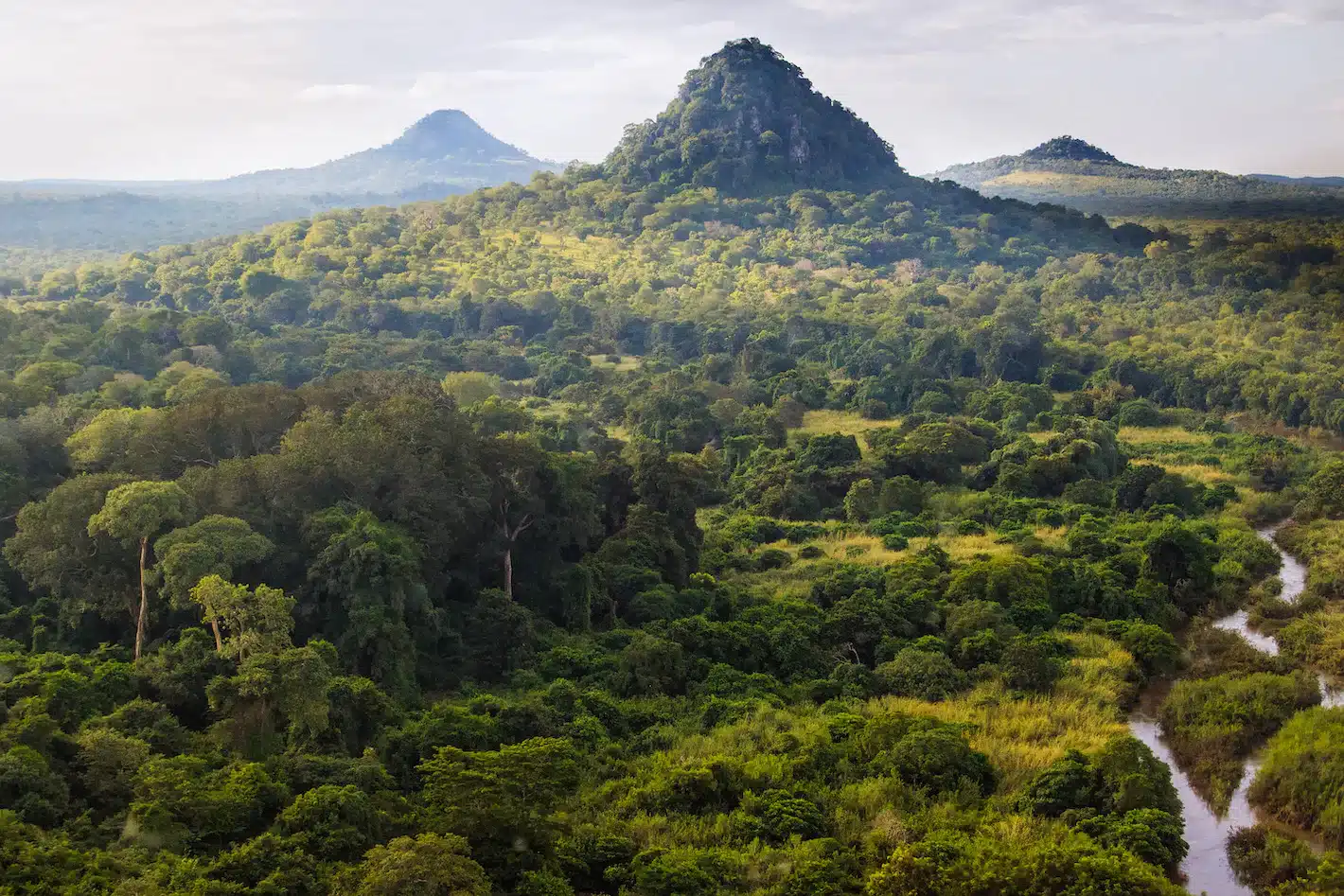
Gorongosa National Park works particularly well for safari itineraries because the park combines diverse habitats within a relatively compact area. Travellers can experience floodplains, savannahs, forests, and river ecosystems during a single stay without spending long hours driving between regions. This allows safari days to feel varied while still maintaining a relaxed pace.
The park is also known for its strong guiding experiences. Guides focus not only on finding wildlife but also on explaining animal behaviour, ecosystems, and the interconnected nature of the landscape. For travellers wanting a more educational safari experience, Gorongosa offers a rewarding balance between wildlife viewing and environmental interpretation.
Another advantage is the quieter safari environment. Unlike some larger African safari destinations where vehicle traffic can become busy around sightings, Gorongosa remains relatively uncrowded. This creates a more personal atmosphere during game drives and allows travellers to spend longer observing wildlife naturally.
Because the park’s habitats are so varied, staying multiple nights gives travellers the opportunity to explore different sections of the reserve. Wildlife sightings often improve over several days as guides adapt activities according to weather conditions, seasonal changes and animal movement patterns. This flexibility makes Gorongosa an excellent destination for structured safari itineraries.
Travellers researching a broader Gorongosa safari Mozambique journey often combine the park with nearby beach destinations, making it easy to transition from safari landscapes to the Indian Ocean coastline within one itinerary.

A typical Gorongosa safari itinerary usually begins with arrival in Beira before continuing by road or charter flight to the park. Depending on the lodge location, travellers often arrive in time for lunch, lodge orientation, and an introductory afternoon activity. The first evening normally focuses on settling into the safari rhythm while enjoying the quieter atmosphere of the reserve.
Safari days in Gorongosa generally begin early. Morning game drives depart shortly after sunrise when temperatures are cooler, and wildlife activity is at its peak. These drives often focus on floodplain regions where travellers may encounter antelope herds, elephants and birdlife gathering near water sources. Guides frequently stop to interpret tracks, explain behaviour and discuss the surrounding ecosystem.
After returning to camp for breakfast, the middle part of the day slows considerably. Travellers typically spend this time relaxing at the lodge, enjoying views across the surrounding wilderness or taking part in optional activities depending on the camp. This slower midday period is an important part of the safari experience and helps balance the early morning starts.
Afternoon safari activities resume later in the day as temperatures cool again. Depending on the lodge and season, activities may include traditional game drives, guided nature walks or birding excursions. Evening drives often provide a different perspective on the landscape as wildlife becomes more active before sunset.
By the third day, travellers usually begin to recognise the rhythm of the park and the subtle differences between safari regions. Some itineraries include walking safaris led by experienced guides, allowing visitors to focus on smaller details often missed during vehicle-based drives. These experiences create a more immersive understanding of Gorongosa’s ecosystems while adding variety to the itinerary.
Longer safari stays may also include community visits or conservation-focused activities that provide additional context about the region. Rather than following a rigid daily schedule, Gorongosa safaris are designed around flexibility, weather conditions and wildlife opportunities. This creates a journey that feels natural and unhurried.
Many travellers combine these safari days with broader Mozambique safari and beach packages that continue toward the coast after leaving the park.

Wildlife experiences form the centre of every Gorongosa safari itinerary. The park’s recovering ecosystems now support a growing variety of herbivores, predators and birdlife, giving travellers the opportunity to enjoy diverse game viewing across several habitats.
Large herds of waterbuck, impala and other antelope species are commonly seen throughout the floodplains. Elephant sightings are increasingly frequent, particularly near river systems and open grasslands. Hippos and crocodiles also feature prominently within Gorongosa’s waterways, especially during dry-season safari months.
Predator sightings vary throughout the year but can include lions, wild dogs and smaller carnivores moving through the park’s mixed ecosystems. Guides often track animal movement patterns while explaining how seasonal conditions influence wildlife behaviour and distribution.
Birdlife is another major highlight of a Gorongosa safari trip. The park attracts birdwatchers from around the world thanks to its wide range of habitats and impressive species diversity. Even travellers without a strong birding focus often find the variety of raptors, waterbirds and woodland species adds another layer to the safari experience.
Spending several days in the park allows travellers to appreciate how wildlife activity changes between morning and afternoon drives. This is one reason safari specialists often recommend avoiding very short stays when planning a Gorongosa safari holiday itinerary.

One of the biggest advantages of a Gorongosa safari itinerary is how easily it can be combined with Mozambique’s beach destinations. Many travellers choose to continue their journey to the coast after their safari, creating a balanced safari and beach holiday that combines wildlife experiences with time beside the Indian Ocean.
Vilanculos is one of the most popular extensions after Gorongosa. The coastal town acts as the gateway to the Bazaruto Archipelago and offers easy access to island lodges, marine activities and beachfront accommodation. After several days of early morning game drives, many travellers appreciate the slower pace of the coastline.
The Bazaruto Archipelago introduces a completely different landscape to the safari environment of Gorongosa. White sand beaches, clear turquoise water and dhow sailing excursions contrast strongly with the floodplains and forests of the national park. This combination of safari and tropical coastline is one of the reasons Mozambique safari itineraries continue to grow in popularity.
Benguerra Island is another sought-after extension, particularly for travellers wanting a quieter and more exclusive beach experience. Many safari and beach packages combine Gorongosa with Benguerra because the island complements the relaxed and uncrowded atmosphere travellers often enjoy during their safari.
Combining Gorongosa with Mozambique beaches also creates a more balanced overall itinerary. Safari activities naturally involve early starts and active wildlife exploration, while beach destinations allow time to unwind before returning home. For many travellers, this combination creates one of the most rewarding safari and beach holidays in Africa.

The ideal Gorongosa safari itinerary usually includes three to four nights in the park. This timeframe gives travellers enough opportunity to experience multiple safari activities, explore different habitats and enjoy the slower rhythm that makes Gorongosa unique.
Shorter stays can still provide rewarding wildlife viewing, but they often limit flexibility. Weather conditions, animal movement and activity timing all influence safari experiences, so additional nights improve the chances of varied sightings and more relaxed exploration.
Travellers combining Gorongosa with Mozambique beaches often structure their trips around a four-night safari followed by several nights along the coast. This creates a comfortable balance between wildlife experiences and beach relaxation without making the itinerary feel rushed.
Longer itineraries may include additional destinations within Mozambique or combine Gorongosa with other regional highlights. However, for most travellers planning a first Gorongosa safari trip, spending several nights in the park before continuing to the Indian Ocean offers an ideal introduction to Mozambique safari travel.

A well-planned Gorongosa safari itinerary combines rewarding wildlife experiences with the relaxed beauty of Mozambique’s Indian Ocean coastline. Whether you want a dedicated safari in Gorongosa National Park or a longer safari and beach journey including Vilanculos, Benguerra Island or the Bazaruto Archipelago, choosing the right itinerary structure makes all the difference.
Voyage2Africa specialises in tailor-made Mozambique safari holidays designed around your travel style, preferred safari pace and beach extension plans. From lodge recommendations and regional flights to complete safari and beach packages, our team helps travellers create seamless journeys across Mozambique. Contact Voyage2Africa to start planning your ideal Gorongosa safari and beach itinerary.


