
Safari and beach holidays in Africa combine two of the continent’s most memorable travel experiences. Travellers begin with wildlife encounters in famous safari reserves before continuing to tropical Indian Ocean beaches.
A journey might start in Kruger National Park, Serengeti National Park, or the waterways of the Okavango Delta. After several days on safari, regional flights connect travellers to coastal destinations such as Mozambique, Zanzibar, or Diani Beach.
This combination allows visitors to experience Africa’s wildlife ecosystems and tropical coastlines in a single itinerary. It also creates a balanced holiday that blends adventure with relaxation.

A safari and beach itinerary offers a natural contrast between exploration and relaxation. Safari days usually begin early with guided game drives. Wildlife activity is highest during the cool morning hours.
Travellers search for lions, elephants, rhinos, and other animals while learning about ecosystems from professional guides. Evenings often end with fireside dinners at remote lodges.
After several safari days, the pace changes at the coast. Travellers can swim in warm waters, explore coral reefs, or relax beside the ocean.
This contrast between bush and beach creates one of the most complete travel experiences in Africa. It is especially popular with honeymoon couples, families, and first-time safari visitors.

Several regions across Africa offer excellent safari and beach combinations. Each route provides different wildlife experiences, travel logistics, and accommodation styles.
One of the most popular combinations pairs Kruger National Park with the islands of the Bazaruto Archipelago. Travellers enjoy Big Five safaris before flying to the coast near Vilanculos. From there, boat or helicopter transfers reach remote island lodges.
In East Africa, many travellers combine the wildlife of Serengeti National Park with the beaches of Zanzibar. Visitors often witness the Great Migration before relaxing on white-sand beaches.
Another excellent pairing links Botswana’s Okavango Delta with Mozambique’s island resorts. Travellers explore river channels by mokoro canoe before continuing to the coast.
Kenya also offers a classic safari and beach route. Visitors explore the Maasai Mara National Reserve before travelling to Diani Beach along the Indian Ocean.
Mozambique has become one of Africa’s most appealing beach destinations after safari. Its coastline remains quieter than many other Indian Ocean destinations.
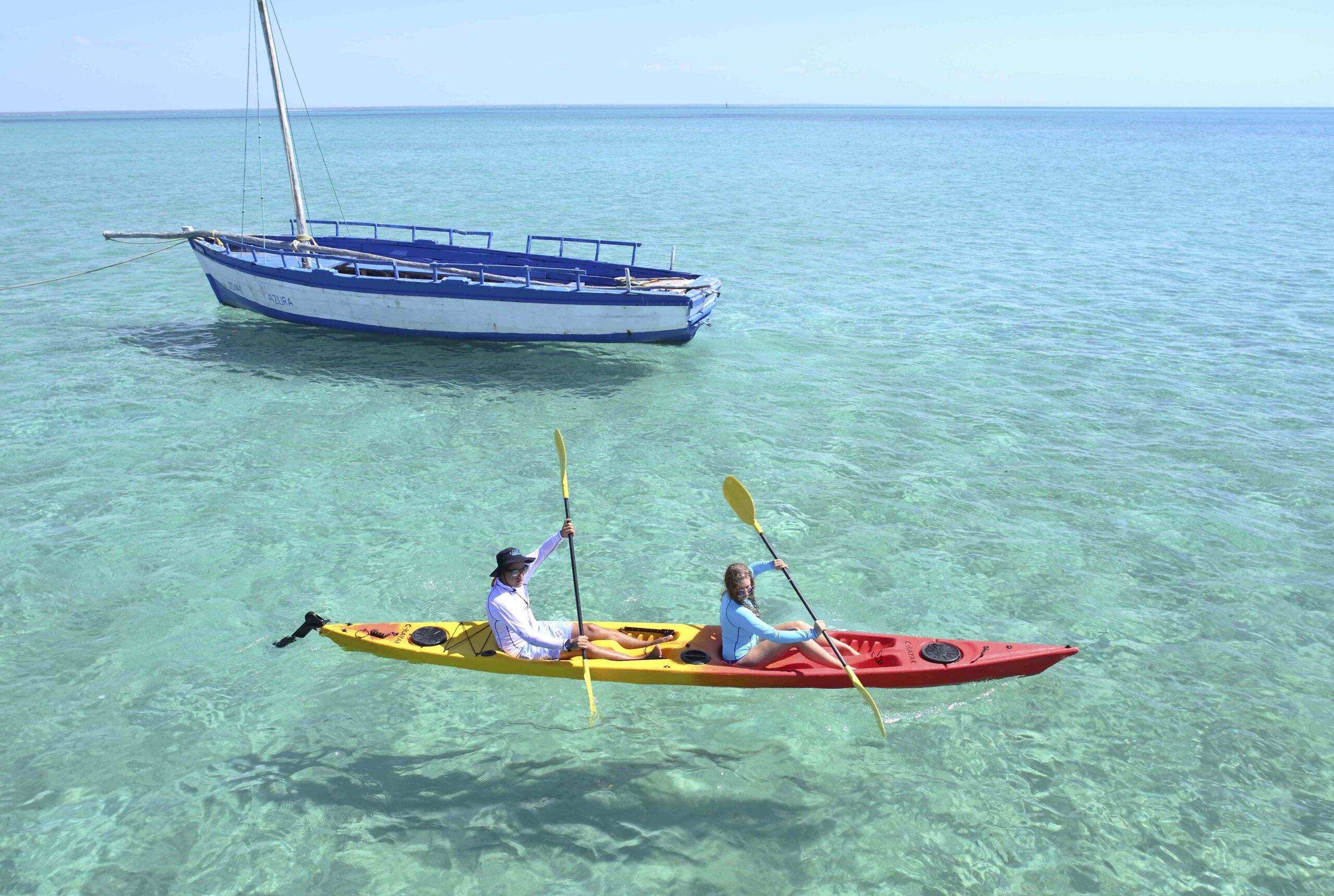
The islands of the Bazaruto Archipelago feature wide sandbanks, turquoise water, and vibrant coral reefs. The marine environment supports rich biodiversity.
Divers and snorkellers often encounter manta rays, turtles, and colourful reef fish. The area is also home to the rare dugong.
Island lodges combine eco-sensitive architecture with luxury hospitality. Many properties offer secluded beachfront villas surrounded by protected marine ecosystems.
Mozambique also sits close to southern African safari regions. Travellers can move from Kruger National Park to Vilanculos within a single travel day.
Understanding regional travel routes helps travellers plan safari and beach holidays efficiently.
In southern Africa, many journeys begin in Johannesburg, the main international gateway. From there, travellers fly to safari airports serving Kruger National Park.
After the safari, regional flights connect to the Mozambican coast. Flights to Vilanculos provide access to the Bazaruto Archipelago.
Boat or helicopter transfers then reach island resorts. In most cases, the journey from safari lodge to beach resort takes less than one travel day.
East Africa follows a similar structure. Domestic flights connect safari regions such as Serengeti National Park with coastal destinations like Zanzibar.
Most safari and beach holidays follow a simple structure that balances wildlife experiences with relaxation.
Travellers typically spend four to five nights on safari. This allows time for multiple game drives and wildlife encounters.
The second half of the trip usually includes four to five nights at the beach. Guests relax beside the ocean and explore marine environments.
The safari portion normally comes first. Wildlife activities involve early mornings and active days. After several days in the bush, travellers often appreciate the slower pace of the coast.
This sequence creates a natural rhythm between adventure and relaxation.
Several safari and beach routes are especially popular across Africa.
A classic itinerary combines Kruger National Park with the Bazaruto Archipelago. Travellers enjoy Big Five safaris followed by quiet island beaches.
Another favourite pairing links Serengeti National Park with Zanzibar. This route combines the Great Migration with cultural and marine experiences.
Botswana itineraries often connect the Okavango Delta with Mozambique’s island resorts. The contrast between wetlands and the tropical coastline creates a memorable journey.
Safari and beach holidays in Africa attract travellers because they offer dramatic contrasts within one journey. Wildlife reserves deliver immersive nature experiences filled with anticipation and discovery. Guests wake early, track animal movements, and spend hours observing behaviour in vast natural landscapes.
After several days of safari activity, many travellers seek quieter surroundings where they can unwind. Indian Ocean destinations provide this balance through soft sand beaches, warm waters, and slower daily rhythms. The emotional shift from energetic game drives to relaxed coastal living often becomes a highlight of the overall trip.
This combination allows visitors to enjoy both adventure and tranquillity without needing multiple long-haul journeys.
Africa’s leading safari destinations provide varied ecosystems that influence wildlife encounters. Southern African reserves such as Kruger National Park offer diverse habitats, including riverine forest, open savannah, and rocky hills. These environments support strong populations of elephants, lions, buffalo, rhinos, and leopards.
In East Africa, Serengeti National Park introduces vast plains where seasonal migration movements create extraordinary wildlife spectacles. Botswana’s Okavango Delta provides a contrasting water-based safari experience shaped by annual floods that attract birds and aquatic species.
Understanding these ecosystem differences helps travellers choose safari starting points that align with their wildlife priorities before continuing to beach destinations.

Africa’s Indian Ocean coastline stretches thousands of kilometres and features diverse beach environments. Mozambique’s island archipelagos offer remote sandbanks and protected coral reefs. Zanzibar combines tropical beaches with historic towns influenced by centuries of trade. Kenya’s southern coastline features lively resort areas with extensive beachfront accommodation.
Marine biodiversity adds excitement to beach extensions after safari. Snorkelling and diving excursions reveal reef fish, turtles, and manta rays. Seasonal whale migrations also attract travellers interested in marine wildlife experiences.
These coastal ecosystems create gentle adventure opportunities that complement safari exploration while maintaining a relaxed holiday pace.

Efficient transport networks allow travellers to combine multiple African destinations within limited timeframes. Most safari and beach journeys begin in major gateway cities such as Johannesburg or Nairobi. From these hubs, regional flights connect visitors to national parks and private reserves.
After completing safari activities, travellers continue to coastal airports such as Vilanculos, Zanzibar City, or Mombasa. Island resorts may require additional boat or helicopter transfers.
In many cases, travellers can move from a safari lodge to a beach resort within a single travel day. This accessibility encourages more visitors to design multi-experience African holidays.
Safari accommodation focuses on immersion in natural surroundings. Lodges often feature open viewing decks, plunge pools, and communal lounges positioned near wildlife corridors or waterholes. Design elements emphasise connection with nature while maintaining comfort and safety.
Beach resorts prioritise ocean views and spacious outdoor living areas. Many properties incorporate traditional materials such as timber, thatch, and stone. Guests move easily between rooms, restaurants, and beaches, reinforcing a sense of relaxation.
Understanding these stylistic contrasts helps travellers anticipate how their holiday atmosphere evolves from wilderness exploration to coastal retreat.

Cost planning remains an important step when designing safari and beach itineraries. Safari lodges frequently operate on inclusive pricing structures covering accommodation, meals, game drives, and guiding services. Beach resorts may offer half-board or full-board options depending on destination and style.
Flights, park fees, and marine excursions influence total travel costs. Peak wildlife viewing seasons often coincide with higher lodge rates due to strong demand. Travellers can sometimes find better value during shoulder months when conditions remain favourable, but visitor numbers decrease.
Professional itinerary planning helps balance lodge quality, travel duration, and transport logistics within realistic budgets.
Travellers combining safari and beach destinations benefit from versatile packing strategies. Neutral clothing colours such as khaki, olive, and beige work well during wildlife viewing. Lightweight fabrics improve comfort during warm daytime temperatures.
Beach extensions require swimwear, sun protection, and comfortable footwear suitable for sand or boat transfers. Insect repellent and reusable water bottles enhance well-being throughout remote travel regions.
Packing thoughtfully ensures travellers remain prepared for varied climates and activity levels across multiple destinations.
Visitors planning safari and beach holidays should consult travel health professionals before departure. Malaria prevention measures may apply in some safari regions and coastal areas. Routine vaccinations and hydration planning also contribute to comfortable travel experiences.
Travel insurance covering medical evacuation and trip disruptions remains highly recommended. Remote lodges operate structured safety procedures, yet preparedness allows travellers to focus fully on wildlife encounters and relaxation.
Clear health preparation supports confident exploration across Africa’s diverse environments.
Safari tourism plays a vital role in protecting wildlife habitats across Africa. Park fees and lodge partnerships support anti-poaching initiatives and conservation research programmes. Coastal resorts also contribute to marine protection by promoting responsible diving practices and reef monitoring.
Travellers can enhance sustainability by reducing plastic consumption, respecting wildlife viewing guidelines, and supporting community-based tourism initiatives. Cultural excursions and local craft purchases help strengthen regional economies.
Responsible travel behaviour ensures that safari and beach destinations remain viable for future generations.
Many travellers expand traditional safari and beach holidays by including additional destinations. Popular extensions include visiting Victoria Falls or exploring the scenic coastline near Cape Town.
These additions introduce new landscapes such as waterfalls, vineyards, or mountain environments. However, extended itineraries require careful sequencing to maintain travel comfort. Visitors should allow sufficient time in each destination to avoid fatigue and preserve the relaxed rhythm that defines successful safari and beach holidays.
One of the most compelling aspects of safari and beach holidays involves the emotional progression travellers experience. Safari days feel purposeful and stimulating as guests search for wildlife and absorb environmental knowledge. Evenings often include storytelling around campfires or stargazing under clear skies.
Beach stays encourage introspection and calm. Guests reflect on safari highlights while enjoying ocean breezes and unstructured schedules. This psychological rhythm strengthens overall satisfaction and creates lasting travel memories.
Understanding this dynamic helps travellers appreciate why combining safari and beach destinations feels more rewarding than visiting either environment alone.
Global travel preferences increasingly favour experiential journeys that balance activity with relaxation. Safari and beach holidays meet this demand by delivering varied landscapes and wildlife encounters within manageable distances.
Improved regional flight networks and growing awareness of lesser-known coastal destinations also contribute to rising interest. Travellers recognise that they can witness iconic African wildlife before swimming in warm Indian Ocean waters within days.
As tourism infrastructure continues to develop responsibly, safari and beach holidays remain among Africa’s most compelling travel experiences for honeymooners, families, and adventure seekers alike.
Seasonal conditions influence the best time to plan a safari and beach holiday.
In southern Africa, the dry season between May and October offers excellent wildlife viewing. Vegetation becomes thinner, and animals gather around water sources.
These months also provide pleasant coastal weather along the Mozambican coast. Calm seas and clear water improve snorkeling and diving conditions.
In East Africa, the Great Migration moves through Serengeti National Park between July and October. This period pairs well with beach stays in Zanzibar.
Safari and beach travel often takes place in remote wilderness areas. Professional tour operators ensure that lodges and guides follow strict safety procedures.
Visitors staying in lodges near Kruger National Park participate in guided wildlife activities led by trained rangers. These guides follow established protocols during game drives and bush walks.
Regional flights connect safari destinations with coastal locations such as Vilanculos. Travellers should always book reputable airlines and carry comprehensive travel insurance.
Cross-border travel may also require visas when entering Mozambique or other countries in the region.
For a complete overview of travel advice and safety guidance, travellers should review our African travel safety guide before planning their journey.


