
Combining a safari in Kruger National Park with a beach stay in the Bazaruto Archipelago creates one of Southern Africa’s most rewarding multi-destination holidays. Travellers experience close wildlife encounters in private game reserves before transitioning to tropical island environments defined by soft sand beaches, coral reefs, and warm Indian Ocean waters. Understanding how to structure this itinerary helps visitors balance safari activities with coastal relaxation while ensuring smooth travel logistics across borders.

Kruger’s accessibility and exceptional wildlife viewing make it an ideal starting point for safari and beach itineraries. The park’s proximity to regional airports and private reserve airstrips allows travellers to connect efficiently with Mozambique’s coastal gateways. After several days of early morning game drives and bush experiences, island stays provide a slower rhythm focused on marine activities and scenic landscapes.
The Bazaruto Archipelago offers an exclusive beach environment that contrasts beautifully with Kruger’s savannah terrain. Protected reefs, dune systems, and clear turquoise waters create memorable opportunities for snorkelling, dhow cruises, and sunset walks, making the region particularly appealing to honeymooners and luxury travellers.

Arrive in the Greater Kruger region via Johannesburg before transferring to a private game reserve lodge. Safari days follow a structured schedule with early morning and late afternoon game drives led by experienced guides. Guests may also enjoy bush walks, wildlife tracking, and relaxation at the lodge between activities.
Spending four nights on safari increases the likelihood of varied wildlife sightings and allows travellers to adjust to the rhythm of bush life. Evenings typically include guided night drives or fireside dining experiences under African skies.
After a final morning game drive, guests transfer to a regional airport for a flight to the coastal town of Vilanculos. From here, boat or helicopter transfers connect travellers to island lodges within the Bazaruto Archipelago. This travel day is usually well coordinated by safari operators to minimise waiting times and ensure seamless luggage handling.
Arriving on the island in the afternoon allows guests to settle into beachfront accommodation and begin transitioning from safari activities to coastal relaxation.
Island stays focus on unwinding after active safari days while exploring Mozambique’s marine ecosystems. Activities often include snorkelling excursions, traditional dhow sailing trips, and guided nature walks across coastal dune landscapes. Calm mornings provide excellent opportunities for ocean adventures, while afternoons are ideal for spa treatments or quiet time beside the sea.
The relaxed pace of island life allows travellers to reflect on safari memories while enjoying fresh seafood cuisine and panoramic sunset views. Many visitors find that this balance between adventure and tranquillity defines the appeal of safari and beach holidays.
Travellers typically return to Vilanculos by boat or helicopter before connecting to Johannesburg or another regional hub for international departures. Coordinated flight schedules help ensure smooth onward travel, particularly when booking itineraries through experienced safari specialists.
One of the main advantages of a Kruger and Bazaruto itinerary lies in the logical travel flow between destinations. The Greater Kruger region connects efficiently with Mozambique’s southern coastline through a combination of scheduled regional flights and short scenic transfers.
Travellers usually begin their journey in Johannesburg before flying to safari airstrips serving private reserves or lodges within the Kruger ecosystem. After completing their safari stay, guests return to regional airports such as Skukuza or Kruger Mpumalanga International Airport to continue onward to Vilanculos.
This routing minimises travel fatigue while allowing visitors to experience both wildlife-rich savannah landscapes and remote Indian Ocean islands within a single holiday.
Kruger National Park and its surrounding private reserves support one of Africa’s most diverse wildlife populations. Visitors commonly encounter elephants, lions, buffalo, and numerous antelope species during guided game drives. Leopards and rhinos may also be seen, depending on seasonal conditions and location.
Professional guides track animal movements using detailed knowledge of terrain, vegetation, and water availability. Early morning drives often provide the best viewing opportunities as predators remain active during cooler temperatures. Afternoon excursions reveal different wildlife behaviours, including grazing patterns and social interactions.
Spending multiple nights on safari improves the likelihood of varied sightings and allows travellers to appreciate the rhythm of wilderness environments before transitioning to the coast.

The Bazaruto Archipelago introduces travellers to a strikingly different environment characterised by white sand beaches, towering dunes, and warm turquoise waters. Marine ecosystems surrounding the islands support vibrant coral reefs that attract snorkellers and divers from around the world.
Visitors frequently encounter tropical fish, rays, and seasonal marine mammals while exploring lagoons and reef systems. Guided island walks reveal birdlife and coastal vegetation adapted to sandy conditions. These gentle explorations contrast with the structured excitement of safari game drives.
The visual transition from savannah plains to ocean horizons forms one of the most memorable aspects of a Kruger and Bazaruto itinerary.

Accommodation style plays a significant role in shaping the overall holiday atmosphere. Safari lodges in the Greater Kruger region often feature open-plan designs that maximise wildlife viewing opportunities. Elevated decks, plunge pools, and communal lounges encourage guests to remain connected with surrounding nature throughout their stay.
Island resorts in the Bazaruto Archipelago prioritise privacy and ocean access. Beachfront villas or suites typically include outdoor showers, shaded verandas, and panoramic sea views. Guests move easily between dining areas, pools, and shoreline pathways, reinforcing a relaxed coastal lifestyle after structured safari schedules.
Understanding these differences helps travellers anticipate how their daily routines and surroundings will evolve during the journey.
Beach extensions in Mozambique focus on exploration at a slower pace. Snorkelling excursions often take place in shallow reef areas where visibility allows visitors to observe colourful marine life without advanced diving skills. More experienced divers may explore deeper reef channels or drift dive sites influenced by tidal currents.
Traditional dhow sailing provides a cultural dimension to island stays. These wooden boats have been used along the East African coast for centuries and offer scenic sunset cruises across calm waters. Fishing trips, sandbank picnics, and kayaking excursions add variety to coastal itineraries.
Such activities allow travellers to remain active while enjoying the restorative atmosphere of island environments.

Choosing the right time to travel influences both wildlife viewing and beach conditions. Kruger’s dry winter months from May to September generally provide excellent game viewing as vegetation thins and animals gather near water sources. Cooler temperatures also make outdoor activities more comfortable.
Along Mozambique’s coastline, winter conditions often bring calmer seas and improved underwater visibility for snorkelling and diving. Summer months introduce warmer water temperatures and lush green landscapes, but may include humidity and occasional rainfall.
Travellers planning a Kruger and Bazaruto itinerary should consider these seasonal patterns to align safari priorities with marine activity preferences.
Coordinating transfers between safari lodges and island resorts remains an important aspect of itinerary planning. Morning game drives usually conclude mid-morning, allowing sufficient time for onward travel on the same day. Regional flights often connect through Johannesburg, depending on airline schedules.
Upon arrival in Vilanculos, guests continue to island destinations by boat or helicopter. These transfers add scenic value to the journey but may depend on tide conditions and weather patterns. Allowing buffer time between connections ensures a relaxed travel experience and reduces logistical stress.
Working with experienced travel specialists helps visitors navigate these practical considerations smoothly.
Multi-destination holidays require careful budgeting to balance accommodation quality, travel duration, and transport choices. Safari lodges typically operate on inclusive pricing models covering meals, game drives, and guiding services. Island resorts may offer varying board options and activity inclusions.
Flights, helicopter transfers, and marine excursions contribute to overall costs. Travellers can sometimes find value during shoulder seasons when conditions remain favourable, but visitor numbers decrease. Transparent planning discussions help align travel expectations with available budgets.
Preparing for both safari and beach conditions enhances comfort throughout the journey. Neutral clothing colours support wildlife viewing by blending into natural surroundings. Lightweight fabrics assist with temperature regulation during warm afternoons.
Beach environments require swimwear, sun protection, and comfortable footwear suitable for sand or boat transfers. Travellers should also consider insect repellent, reusable water bottles, and personal medical supplies.
Consulting healthcare professionals regarding malaria prevention and vaccinations remains advisable before visiting remote regions. Travel insurance covering evacuation and medical treatment provides additional reassurance.
Although safari and beach holidays often focus on wildlife and scenery, cultural interactions enrich the overall journey. Visits to local markets or fishing communities near Vilanculos provide insight into coastal livelihoods shaped by ocean resources.
Guided excursions help travellers engage respectfully with local traditions while supporting community economies. Sampling regional cuisine or purchasing handmade crafts contributes to sustainable tourism development. These encounters add meaningful context to natural landscape experiences.
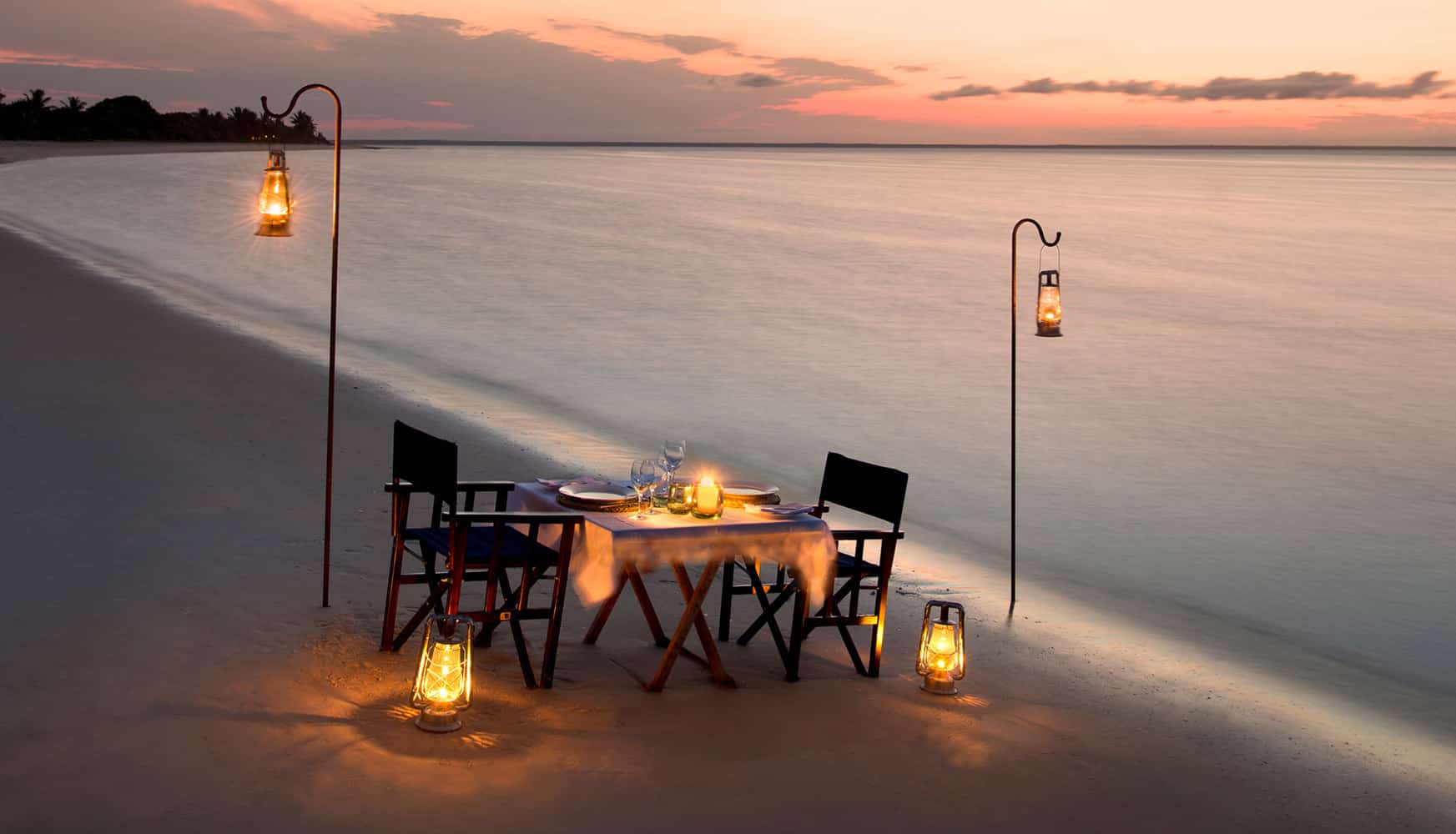
The combination of private safari lodges and secluded island resorts creates a sense of exclusivity that appeals strongly to honeymoon couples and luxury travellers. Romantic dinners under starlit skies, personalised guiding experiences, and beachfront villa accommodation contribute to memorable celebrations.
The itinerary also suits travellers seeking high levels of comfort without sacrificing adventure. Seamless logistics and professional service standards allow guests to explore remote environments while maintaining peace of mind.
This balance between wilderness immersion and coastal indulgence defines the enduring popularity of Kruger and Bazaruto holidays.
Visitors play an important role in protecting the natural environments they explore. Following the guide instructions during wildlife encounters helps minimise stress on animals and preserves ecological balance. On the coast, responsible snorkelling and diving practices protect fragile coral reefs.
Choosing lodges that support conservation initiatives or community partnerships contributes to long-term sustainability. Simple actions such as reducing plastic use and respecting marine life viewing guidelines make meaningful differences.
Responsible travel ensures future generations can continue to experience the remarkable landscapes of southern Africa.
Seasonal timing plays an important role in shaping the safari and beach experience. Kruger’s dry winter months from May to September provide excellent wildlife visibility as animals gather near water sources. During this period, Mozambique’s coastal regions enjoy warm temperatures and relatively calm ocean conditions ideal for marine activities.
Shoulder seasons such as April and October can also offer pleasant travel conditions with fewer visitors and vibrant landscapes. Summer travel introduces lush vegetation and dramatic skies but may include increased humidity and occasional rainfall.
Multi-destination safari and beach journeys are generally safe when organised through experienced operators who coordinate flights, transfers, and lodge logistics. Guides manage wildlife encounters during safari activities, while island lodge teams provide local advice on swimming conditions and marine excursions. Travellers should follow all safety briefings and remain aware of luggage requirements for regional flights. For broader reassurance, visitors can explore our Safari Travel Safety in Africa resource hub.
Voyage2Africa designs tailored safari and beach itineraries linking Greater Kruger’s wildlife reserves with Mozambique’s most beautiful island destinations. Our travel specialists manage charter flights, lodge reservations, and transfer logistics to ensure seamless journeys across Southern Africa.
Whether planning a romantic honeymoon or a luxury wildlife escape, combining Kruger safari experiences with Bazaruto Island relaxation offers an unforgettable way to explore the region’s diverse landscapes. Contact our team to begin designing your personalised itinerary.


