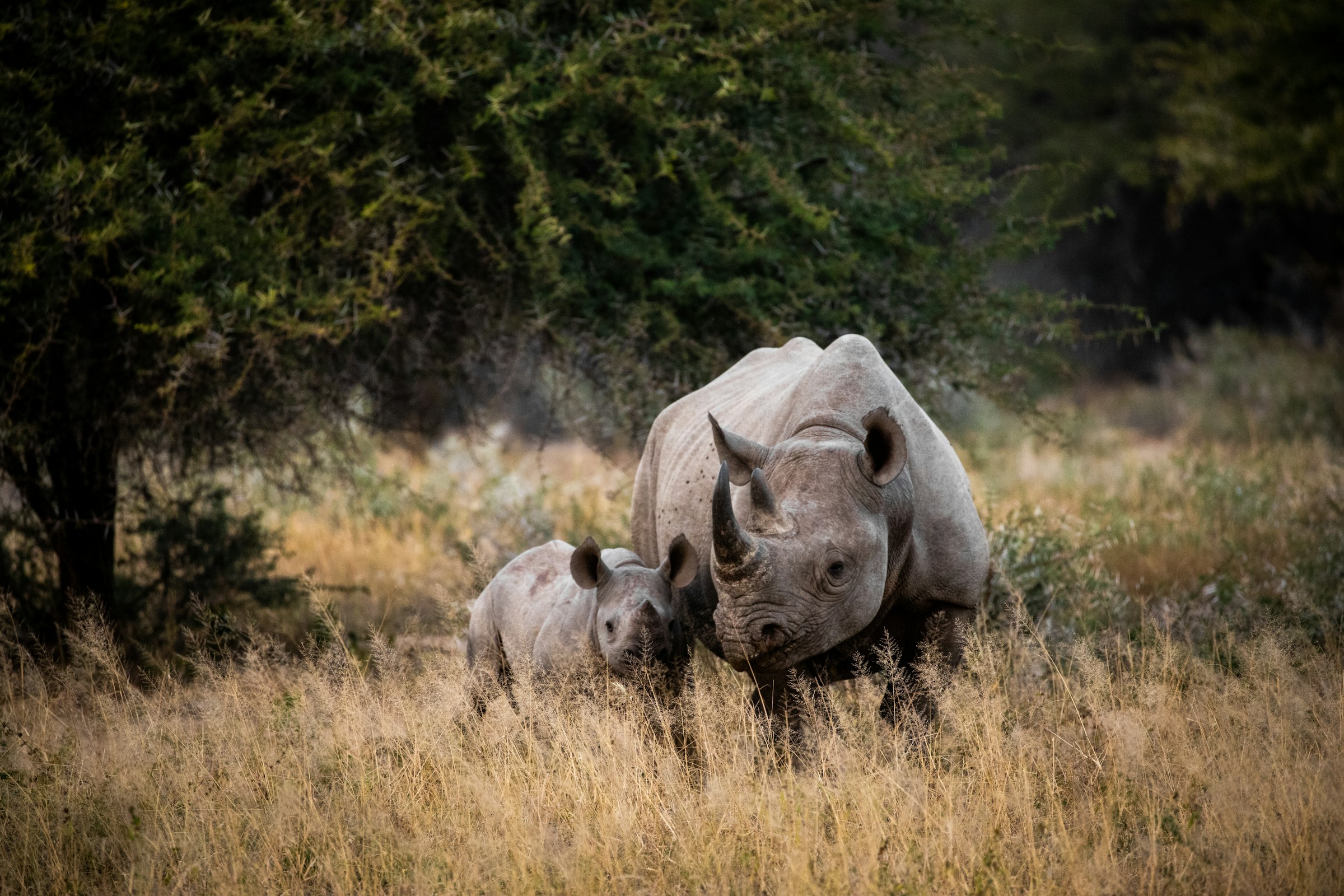
A Kruger safari and Mozambique beach holiday combine two of Southern Africa’s most compelling travel experiences. Visitors begin with guided wildlife encounters in Kruger National Park before continuing east to Mozambique’s Indian Ocean coastline for relaxation and marine adventures. This itinerary creates a natural contrast between early morning game drives and tranquil beach days, making it ideal for honeymooners, families, and first-time safari travellers seeking both excitement and downtime in a single journey.
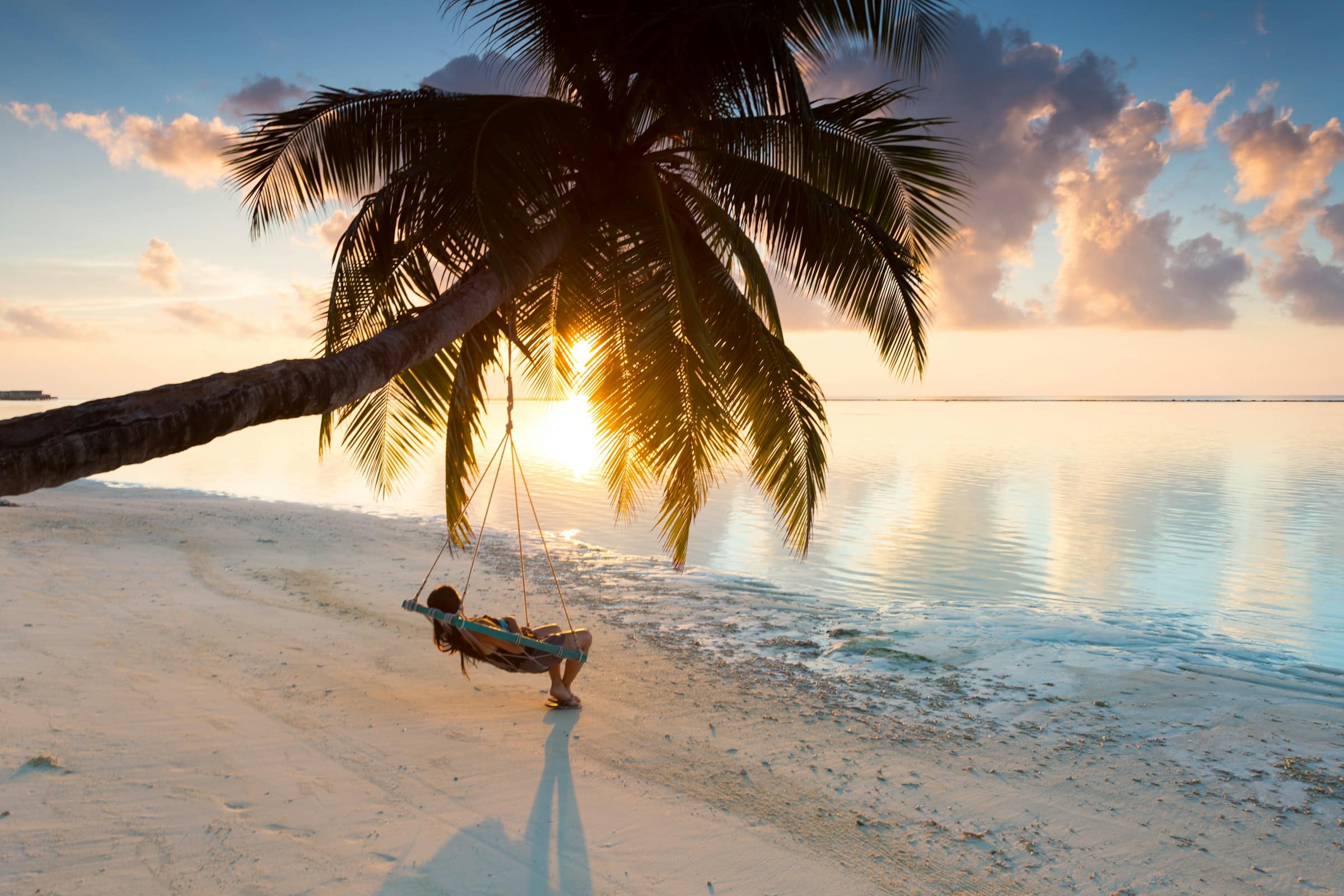
Kruger National Park offers exceptional biodiversity, professional guiding, and well-developed safari infrastructure. After several days exploring savannah landscapes and riverine ecosystems, travellers often seek a change of pace. Mozambique’s coastline provides the perfect complement, with warm waters, coral reefs, and island lodges offering privacy and barefoot luxury. The geographical proximity between eastern South Africa and southern Mozambique allows for seamless travel planning, ensuring visitors can transition from wildlife reserves to coastal retreats without exhausting travel days or complicated routing.
Travellers typically access the Kruger region via Johannesburg before connecting to regional airports such as Skukuza or Nelspruit. Lodge transfers then take guests into private reserves or national park camps where safari activities begin. After three to five nights on safari, visitors continue to Mozambique using charter flights, scheduled bush flights, or guided overland transfers to the border.
Many itineraries route travellers toward coastal hubs like Vilanculos, where domestic flights and boat transfers connect to island lodges. Professionally organised logistics ensure luggage handling, border formalities, and timing coordination are managed smoothly, reducing travel stress while maintaining an efficient journey flow.

Mozambique offers diverse coastal experiences suited to different travel styles. Mainland beach towns provide easy access and vibrant local culture, while offshore islands deliver exclusive lodge environments within protected marine reserves. Travellers often select destinations based on preferred activities such as snorkelling, diving, or dhow sailing.
The southern Mozambique coastline is particularly popular due to shorter travel distances from Kruger. Here, guests can enjoy sunset cruises, seafood dining, and scenic sand dune landscapes. Further north, remote island settings offer exceptional tranquillity for travellers seeking privacy after busy safari schedules and wildlife-rich game viewing days.
The Bazaruto Archipelago remains the most iconic beach extension after a Kruger safari. This protected marine national park features crystal-clear waters, vibrant coral reefs, and sweeping sand dunes that create dramatic coastal scenery. Luxury lodges on islands such as Benguerra provide guided snorkelling excursions, deep-sea fishing opportunities, and spa experiences that complement the intensity of safari activities.
Access typically involves a short flight from Johannesburg or Kruger region airstrips to Vilanculos, followed by a light aircraft or boat transfer to island accommodation. This combination ensures minimal travel disruption while delivering one of Africa’s most memorable safari and beach experiences.
Vilanculos serves as the gateway to Mozambique’s premier island destinations and offers appealing mainland lodge options for travellers seeking flexibility. The town’s beachfront accommodations allow guests to enjoy relaxed coastal living while exploring nearby islands through guided day trips. Activities include dhow sailing, horse riding along the shoreline, and snorkelling within the protected marine park.
Nearby Benguerra Island offers a more secluded atmosphere with boutique lodges set among dune forests and turquoise bays. This destination suits honeymooners and luxury travellers wanting privacy, personalised service, and uninterrupted ocean views following the structured rhythm of safari days in Kruger.
A Kruger safari introduces travellers to a structured daily rhythm shaped by wildlife movement and environmental conditions. Early mornings typically begin with pre-dawn wake-up calls followed by game drives when predators remain active and temperatures are cooler. These drives allow visitors to explore diverse habitats including open savannah, river systems, and dense woodland areas.
Midday periods offer time to rest, enjoy lodge facilities or observe animals visiting nearby waterholes. Afternoon drives provide further opportunities to encounter elephants, buffalo herds and elusive big cats preparing for evening activity. This immersive safari schedule creates excitement and sensory engagement, which makes the subsequent transition to Mozambique’s relaxed coastal environment particularly rewarding.
Many travellers choose to stay in private reserves bordering Kruger National Park to benefit from enhanced safari experiences. These concessions often allow off-road driving during sightings and guided bush walks that deepen understanding of animal tracking and ecosystem dynamics. Smaller vehicle numbers can also create more intimate wildlife encounters compared to busier public areas.
Private lodges emphasise personalised service, gourmet dining and scenic viewing decks overlooking rivers or plains. Guests frequently enjoy sunset drinks in the bush or storytelling around evening campfires. These memorable experiences build emotional connections with the landscape, setting the stage for a slower pace once the safari portion of the journey concludes.
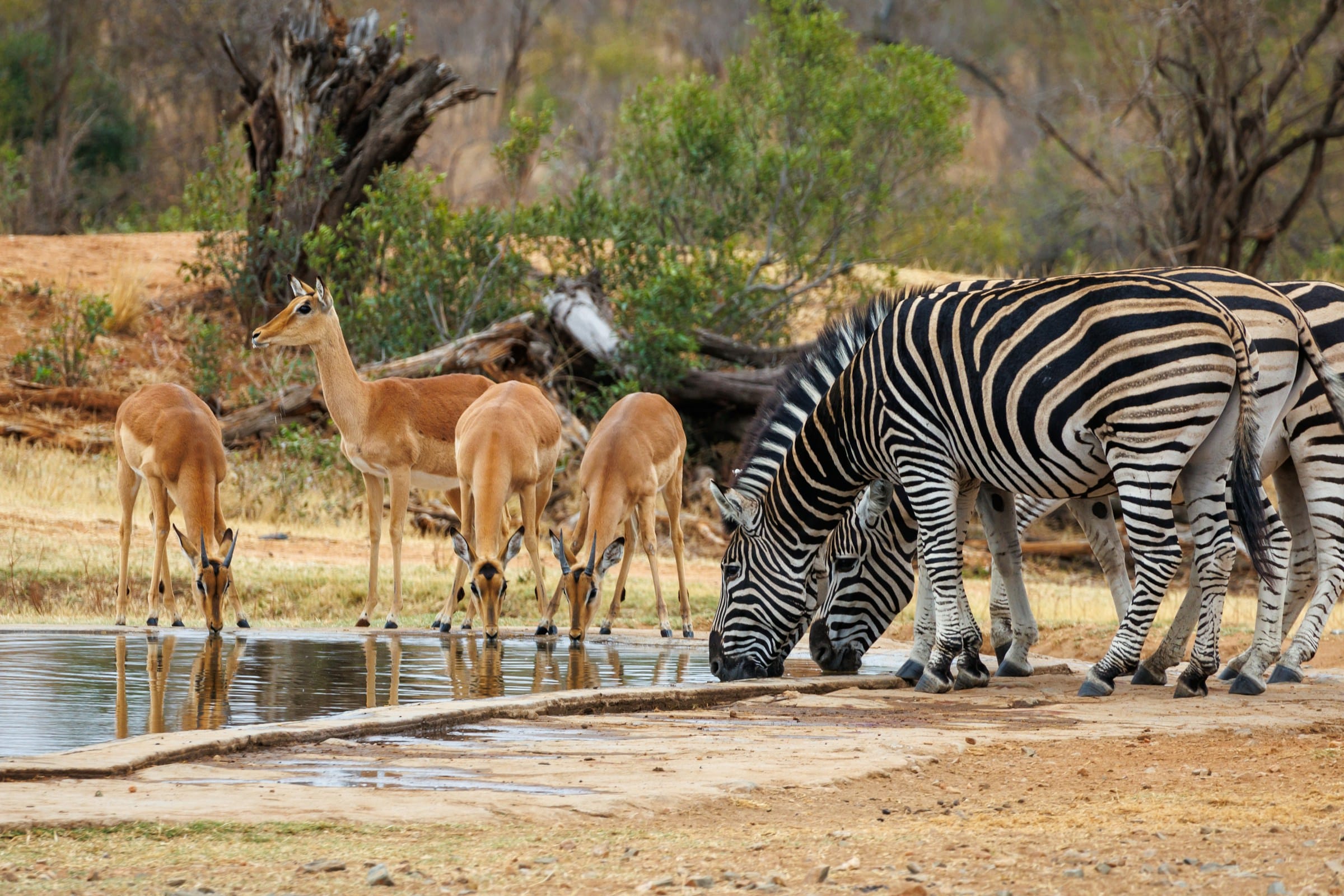
After several days of early wake-ups and active game viewing, many travellers welcome the gentle tempo of Mozambique beach life. The coastline offers warm ocean breezes, soft sandy beaches and expansive views across the Indian Ocean. This change of scenery allows visitors to decompress while still feeling connected to nature.
Beach lodges encourage flexible daily routines where guests can choose between scheduled marine activities or simple relaxation. Hammocks beneath palm trees, leisurely seafood lunches and sunset dhow sails create a restorative atmosphere. This contrast enhances the overall holiday by balancing adventure with tranquillity.
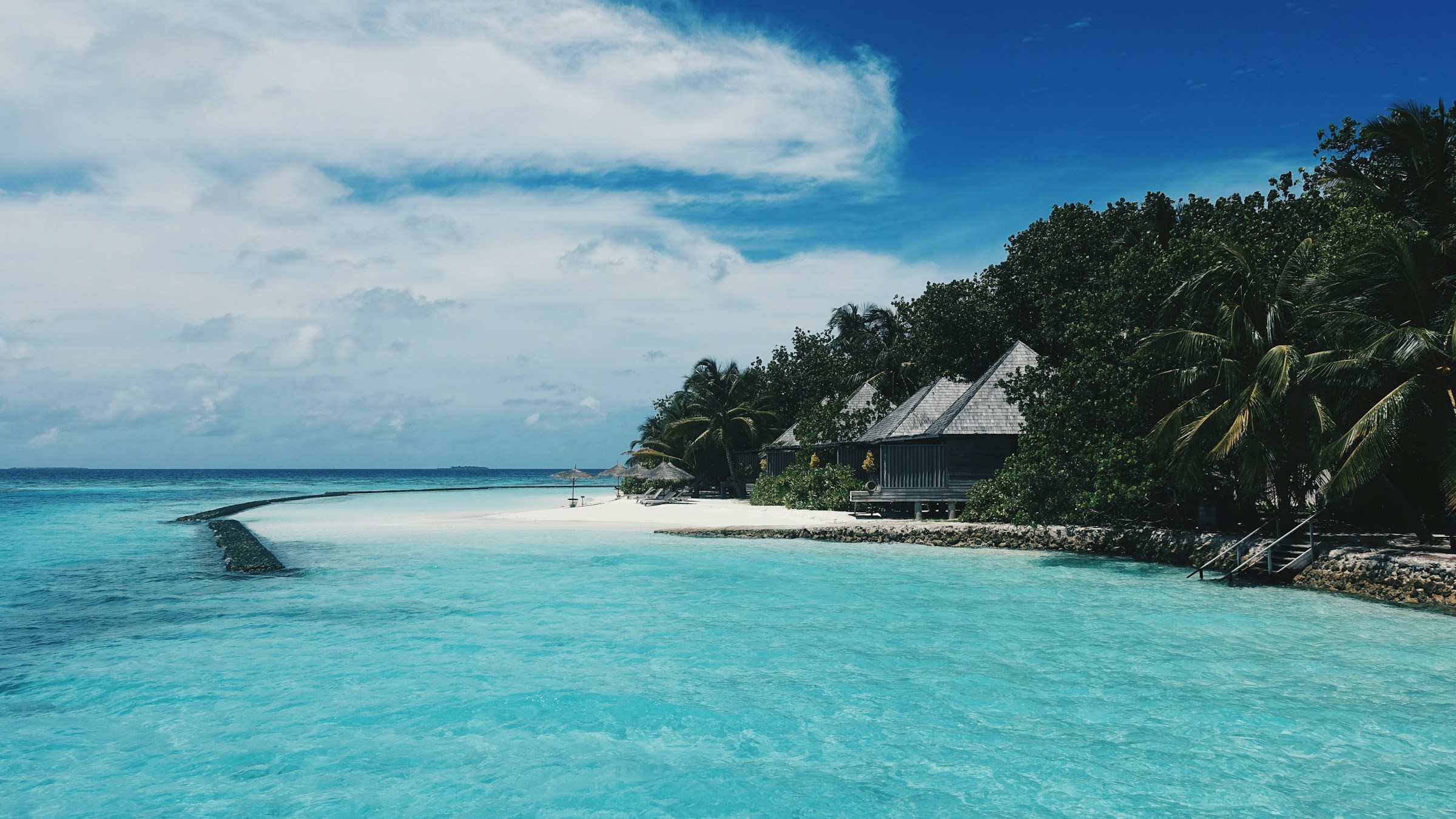
Mozambique’s protected marine environments provide a variety of ocean-based experiences suited to different interests. Snorkelling excursions reveal coral gardens filled with tropical fish, while scuba diving introduces more experienced travellers to reef drop-offs and seasonal marine megafauna.
Sandbank picnics remain a highlight for many visitors, offering opportunities to enjoy remote coastal scenery accessible only at certain tides. Deep-sea fishing charters venture further offshore in search of game species, and kayaking trips allow guests to explore mangrove channels at a relaxed pace. These activities create a sense of exploration without the intensity of safari schedules.
Travellers planning a Kruger safari and Mozambique beach holiday often consider whether to stay on the mainland or on offshore islands. Mainland destinations such as Vilanculos provide easier access, greater flexibility and opportunities to explore local culture through markets, restaurants and guided village visits.
Island lodges within marine reserves offer higher levels of privacy and exclusivity. Accommodation typically consists of spacious villas with ocean views, private plunge pools and direct beach access. These remote settings suit honeymooners and luxury travellers seeking uninterrupted relaxation after the excitement of safari experiences.
A well-balanced itinerary usually includes four nights on safari followed by four or five nights at the beach. This structure allows travellers to experience multiple game drives and lodge activities without feeling rushed before transitioning to coastal destinations.
Journeys often begin with international arrival in Johannesburg, followed by a regional flight to Kruger area airstrips. After completing the safari stay, guests continue to Mozambique via scheduled or charter flights, sometimes combined with short boat transfers depending on lodge location. Coordinated logistics ensure travel days remain manageable, preserving energy for both wildlife exploration and beach enjoyment.
Efficient travel between South Africa and Mozambique depends on careful coordination of flight schedules and documentation requirements. Border crossings may be required when travelling overland, while direct regional flights simplify the journey for many travellers.
Tour operators typically manage visa guidance, baggage limitations for light aircraft and timing buffers between connections. These logistical considerations help prevent delays and allow guests to focus on enjoying the journey rather than navigating unfamiliar travel systems independently.
Timing plays an important role in shaping the success of combined safari and beach holidays. Kruger’s dry winter months offer optimal wildlife visibility as animals gather around permanent water sources. During this same period, Mozambique experiences lower humidity and calmer sea conditions ideal for marine excursions.
Green season travel introduces lush landscapes and excellent birding opportunities but may also bring short afternoon showers along the coast. Travellers who prioritise photography often appreciate dramatic skies and vibrant scenery during this period. Selecting travel dates therefore depends on balancing wildlife viewing expectations with preferred beach weather.
Safari lodges often operate on an all-inclusive basis covering accommodation, meals, beverages and guided activities. Beach resorts may offer half-board or full-board options, with certain marine excursions priced separately. Flights and boat transfers also contribute to the overall holiday cost.
Travellers seeking value may consider shoulder seasons when demand is lower but travel conditions remain favourable. Understanding pricing structures allows visitors to make informed decisions about accommodation levels and activity choices without compromising the quality of their experience.
Preparing appropriately for both bush and beach environments enhances comfort throughout the journey. Neutral-coloured clothing works well for safari activities, while lightweight fabrics and swimwear are essential for coastal relaxation. Sun protection, insect repellent and reusable water bottles help travellers adapt to warm climates.
Malaria precautions may be recommended depending on travel season and specific destinations visited. Soft-sided luggage is typically required for bush flights due to storage limitations. Taking these practical steps ensures a smooth and enjoyable multi-destination holiday.
This itinerary appeals to a wide range of travellers. Honeymoon couples value secluded island lodges and romantic safari experiences, while families appreciate structured lodge activities and educational wildlife encounters. First-time visitors often find the route reassuring due to established tourism infrastructure and manageable travel distances.
Experienced safari enthusiasts may extend their journeys further north along Mozambique’s coastline or combine additional regional parks. The flexibility of this route allows travel specialists to tailor itineraries according to personal interests, travel style and budget preferences.
Seasonality influences both wildlife viewing conditions and coastal weather patterns. Kruger’s dry winter season from May to September is widely regarded as the best period for safari due to thinner vegetation and predictable animal movements near water sources. During these months, Mozambique’s climate remains warm and comfortable with calm seas suitable for snorkelling and boating.
Shoulder seasons such as April and October also offer excellent travel opportunities, combining favourable game viewing with quieter beaches and pleasant temperatures. Summer months bring lush landscapes and dramatic skies, but may include higher humidity and seasonal rainfall along the coast.

Travelling between Kruger National Park and Mozambique’s coastal destinations is generally safe when itineraries are arranged through experienced safari specialists. Guided game drives operate under strict wildlife viewing protocols, while lodge teams coordinate transfers and flights to ensure efficient movement between regions. Visitors should follow ranger instructions during sightings and remain aware of lodge safety guidelines in unfenced wilderness environments.
On the coast, guests are encouraged to respect ocean conditions and local advice when participating in marine activities. For comprehensive guidance on safari logistics, wildlife encounters, and emergency support systems, read our Safari Travel Safety in Africa guide.
Voyage2Africa specialises in tailor-made safari and beach itineraries linking Kruger National Park with Mozambique’s most beautiful coastal destinations. Our travel experts design journeys that balance wildlife experiences with restorative beach time while coordinating flights, transfers, and lodge reservations throughout the itinerary.
Whether planning a romantic honeymoon, family adventure, or luxury safari escape, we help travellers experience Southern Africa’s diverse landscapes through seamless travel routes and trusted accommodation partners. Contact our team to begin planning your personalised Kruger and Mozambique holiday today.