
Mozambique remains one of Africa’s most rewarding coastal destinations. From the white sand beaches of Benguerra Island to the turquoise waters surrounding the Bazaruto Archipelago, the country continues to attract travellers seeking a more remote and authentic alternative to the Indian Ocean’s larger resort destinations.
In 2026, however, malaria has become a more visible part of the travel conversation. Increased rainfall and localised flooding earlier in the year resulted in a rise in reported cases across several regions, prompting many travellers to question whether Mozambique remains a suitable destination for beach holidays and safari combinations.
The reality is far less dramatic than many headlines suggest.
Malaria has always been a known consideration when travelling to Mozambique. What has changed is awareness rather than the underlying travel environment. Visitors continue to enjoy successful holidays across the country every day, particularly in established tourism areas where accommodation providers, guides and travel specialists have extensive experience helping guests manage malaria risk effectively.
For travellers researching malaria risk on safari in Africa, the most important factor is understanding how malaria risk works in practice. It is predictable, manageable, and well understood. With appropriate preparation, Mozambique remains one of the continent’s most desirable beach destinations and a leading choice for safari and beach holidays.

Before focusing on malaria risk, it is important to understand why Mozambique continues to attract visitors despite the additional planning required.
The country offers something increasingly rare in modern travel: space. While destinations such as Mauritius and Zanzibar have grown significantly in visitor numbers, Mozambique still feels remote and understated. Many of its finest lodges occupy private stretches of coastline or island locations where guests can spend hours without encountering another traveller.
The Bazaruto Archipelago remains the country’s most famous beach destination. Its combination of coral reefs, marine life, sand dunes and luxury island accommodation creates a beach experience that feels distinct from anywhere else in Africa. Vilanculos serves as the gateway to these islands while offering its own blend of dhow sailing, horse riding and coastal culture.
Many travellers discover Mozambique as part of broader safari and beach holidays in Africa, often combining the coastline with safari destinations in South Africa, Botswana or Zimbabwe. The contrast between wildlife experiences and tropical beaches is one of the reasons these itineraries continue to perform so strongly.
Understanding malaria risk is therefore not about deciding whether to visit Mozambique. It is about planning the trip intelligently so that you can enjoy everything the destination offers with confidence.
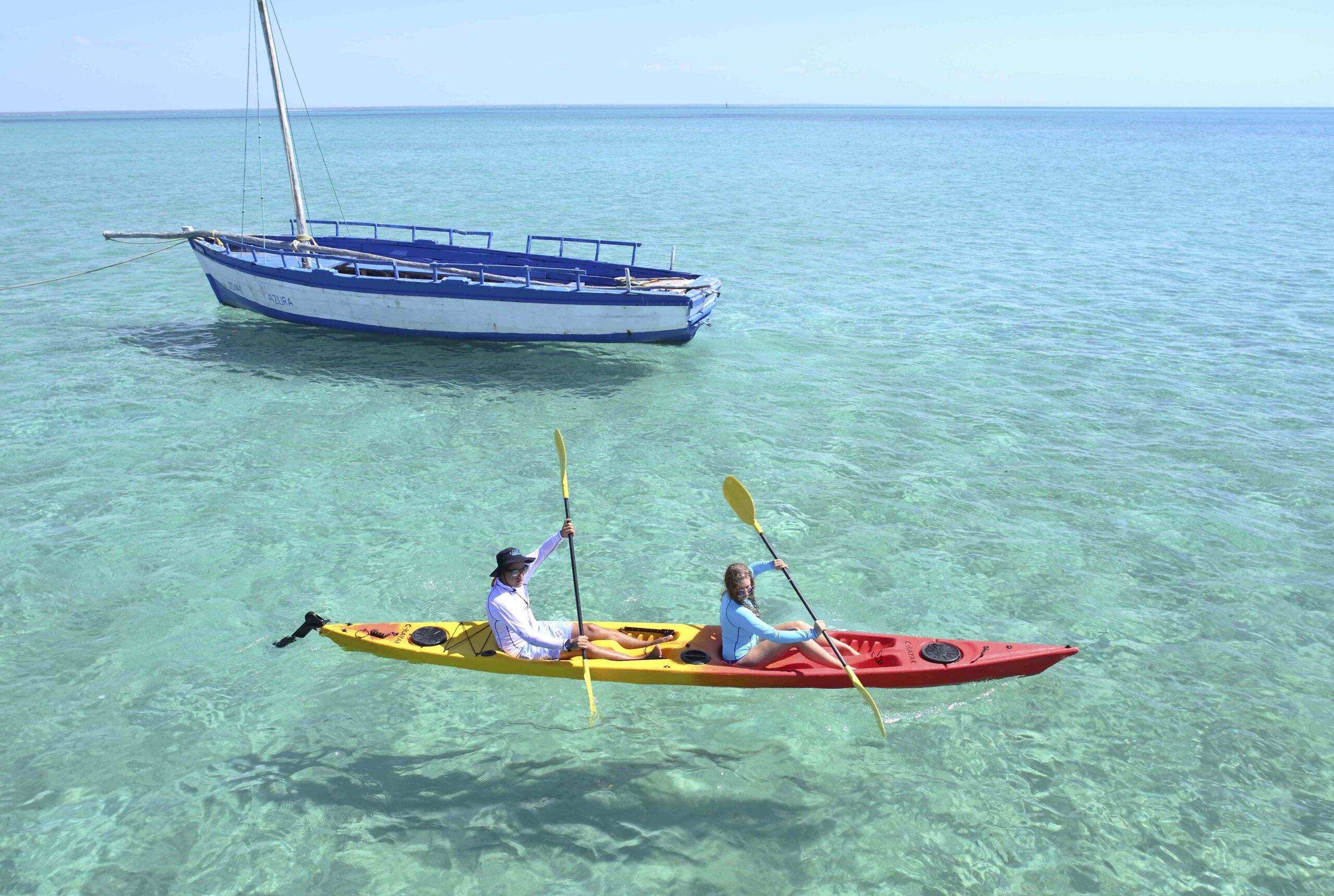
Mozambique lies within a tropical climate zone where malaria transmission is present throughout much of the country. However, this does not mean that risk is uniform or constant.
Coastal areas, low-lying regions and locations affected by seasonal rainfall generally experience higher levels of mosquito activity. For most international travellers, this includes destinations such as Vilanculos, Benguerra Island, the Bazaruto Archipelago, Inhambane and parts of southern Mozambique.
These are also the areas where the majority of tourism takes place.
This often creates confusion for first-time visitors. Because Mozambique’s leading tourism destinations fall within malaria-risk zones, some travellers assume that the country is inherently unsafe. In reality, these destinations have been operating successfully for decades and have developed tourism infrastructure specifically designed around the realities of the local environment.
Malaria risk should be viewed in the same way as other travel considerations. It is a factor that requires preparation, not a reason to avoid the destination entirely. The key difference between travellers who enjoy a seamless holiday and those who feel uncertain is usually the quality of information they receive before departure.
The increased discussion surrounding malaria in Mozambique during 2026 can largely be traced back to environmental conditions.
Heavy rainfall and flooding created ideal mosquito breeding conditions across several provinces, leading to an increase in reported cases. This attracted attention from health authorities, travel media and international news outlets, resulting in significantly more online discussion than in previous years.
For travellers, however, the practical implications remain largely unchanged.
The rise in cases reflects seasonal environmental conditions rather than a sudden change in destination safety. Mozambique’s tourism industry continues to operate normally, and established resorts, lodges and island properties remain well equipped to assist visitors with prevention measures and travel guidance.
What 2026 has highlighted is the importance of preparation. Travellers who previously paid little attention to malaria prevention are now researching destinations more carefully and seeking clearer advice before booking.
This increased awareness is ultimately positive because informed travellers tend to make better decisions and enjoy more comfortable journeys.

Seasonality plays a major role in malaria risk and is one of the easiest factors travellers can control.
The period from May to October is generally considered the most favourable time to visit Mozambique. During these months, temperatures remain pleasant, humidity levels are lower and mosquito activity decreases as rainfall reduces across much of the country.
This period also coincides with some of the best beach conditions. Ocean visibility improves, making snorkelling and diving particularly rewarding around the Bazaruto Archipelago. Whale watching opportunities increase later in the season, while cooler evenings make coastal dining and outdoor activities more comfortable.
The months between November and April bring warmer temperatures, increased rainfall and higher humidity. These conditions support mosquito breeding and contribute to elevated malaria risk. Travellers visiting during this period should be more diligent with preventative measures, although many still enjoy excellent holidays throughout the green season.
For most visitors seeking to balance beach conditions, safari opportunities and lower malaria exposure, the dry season remains the strongest choice.
One of Mozambique’s strengths is its ability to combine effortlessly with Southern Africa’s leading safari destinations. This creates a travel style that many visitors find appealing, but it also introduces different considerations regarding malaria awareness.
Safari environments often operate within highly structured settings. Guests spend much of their time with guides, activities follow established schedules and accommodation is designed to manage environmental exposure effectively.
Beach destinations feel different. Visitors spend longer periods outdoors, particularly in the evenings when temperatures are cooler and social activities move onto decks, beaches and open-air restaurants. These are also the periods when mosquito activity tends to increase.
This does not make beach holidays problematic. It simply means travellers should be more aware of timing and prevention measures during evening hours.
Many guests combine Mozambique with Kruger National Park and are surprised to discover that the practical approach to malaria prevention remains very similar throughout both destinations. Travellers researching Kruger and Mozambique malaria risk often find that consistent prevention measures across the entire itinerary are more important than focusing on individual locations.
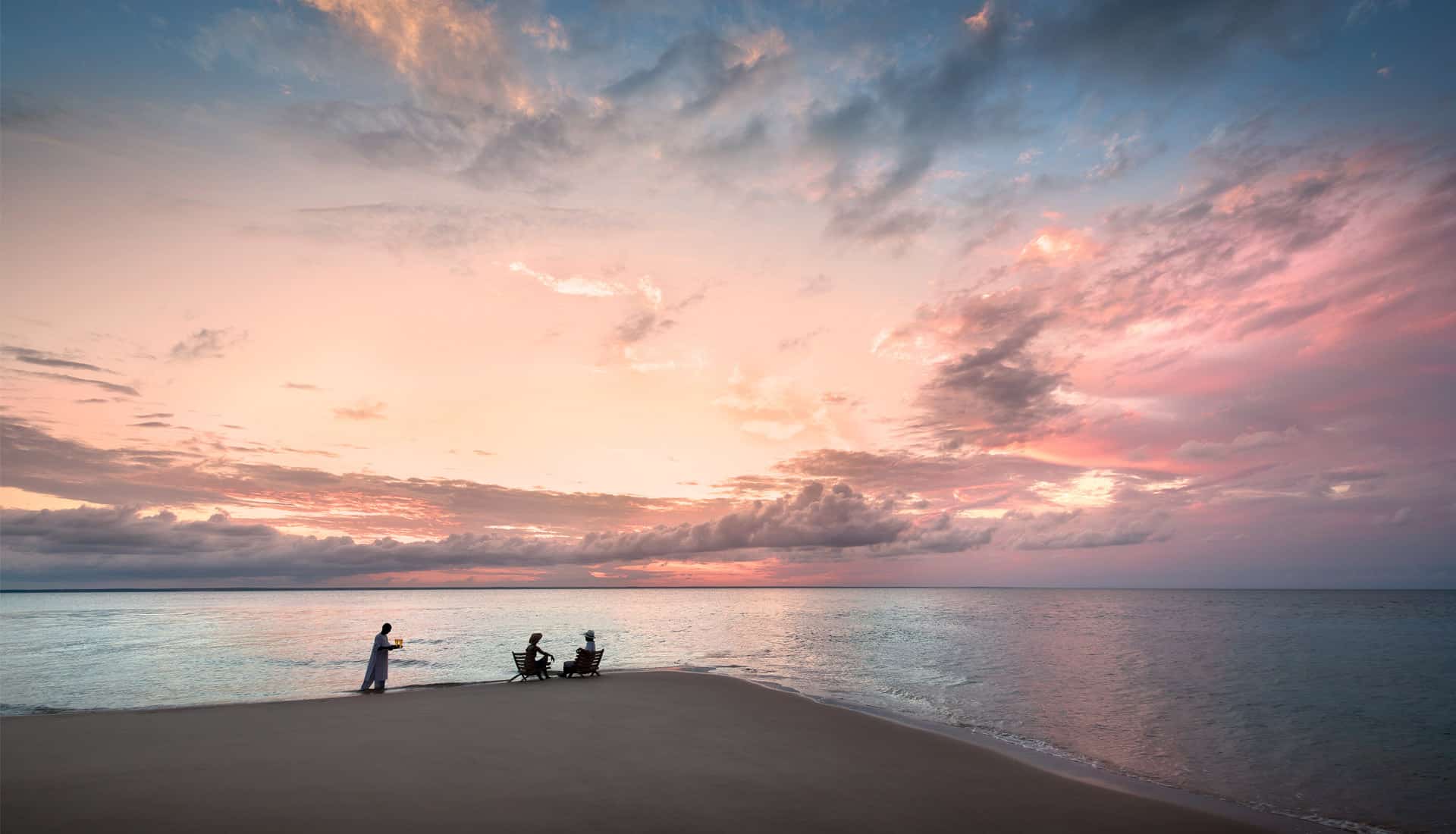
Accommodation choice plays a significant role in how travellers experience Mozambique and how effectively they manage malaria risk throughout their stay.
The country’s leading lodges and resorts have spent years refining their approach to guest comfort in tropical environments. Properties in Vilanculos, Benguerra Island and across the Bazaruto Archipelago are designed to maximise ocean views and natural airflow while simultaneously reducing guest exposure to insects during peak mosquito activity periods.
Many high-quality lodges incorporate screened rooms, air conditioning, ceiling fans and carefully managed landscaping. Staff are also experienced in advising guests about practical preventative measures, particularly during the rainy season.
This is one of the reasons accommodation selection matters so much when planning a Mozambique holiday. The difference between a well-managed beachfront lodge and a poorly positioned property can significantly influence the overall travel experience.
Travellers researching a Bazaruto Archipelago travel guide often discover that the region’s established lodges combine exceptional island experiences with infrastructure specifically designed for international visitors. These practical considerations rarely appear in glossy marketing materials but contribute greatly to comfort and peace of mind during a stay.

Successful travel planning is rarely about eliminating risk entirely. Instead, it involves understanding the destination and making informed decisions that align with your travel style and comfort level.
For Mozambique, this begins with timing. Travelling during the dry season allows visitors to take advantage of cooler weather, reduced humidity and lower mosquito activity. It is also one of the most popular periods for combining beach destinations with Southern African safaris.
The pace of the itinerary also matters. Most visitors spend between four and six nights on the coast, allowing enough time to enjoy the destination without feeling rushed. This duration works particularly well when paired with a safari in South Africa, Botswana or Zimbabwe.
Location is another important consideration. Established destinations such as Vilanculos and the Bazaruto Archipelago offer strong tourism infrastructure, reliable transfer networks and accommodation providers accustomed to hosting international travellers.
Finally, simple personal habits remain important. Consistent use of repellent during evening hours, appropriate clothing after sunset and adherence to medical advice all contribute to reducing exposure significantly.
When these elements are combined, malaria becomes one factor among many in the planning process rather than the defining feature of the holiday.
Mozambique remains suitable for most travellers, but every destination appeals to different comfort levels and travel priorities.
Couples, honeymoon travellers and experienced Africa visitors often find Mozambique highly rewarding because of its exclusivity, natural beauty and ability to combine seamlessly with safari destinations. Travellers comfortable with standard malaria prevention measures typically have little difficulty incorporating Mozambique into their plans.
However, some visitors prefer to avoid malaria-risk destinations altogether. Families travelling with very young children, travellers who are unable to take preventative medication or those who simply feel uncomfortable with any level of malaria exposure may wish to explore alternatives.
In these cases, malaria-free safaris in Africa provide an excellent solution. South Africa’s Eastern Cape reserves, Madikwe Game Reserve and parts of the Waterberg offer outstanding wildlife experiences without malaria concerns. Namibia also provides low-risk safari opportunities across much of the country.
The most important objective is not to persuade travellers toward one destination or another, but to match the itinerary to their individual comfort level.

Travellers often compare Mozambique with other Indian Ocean destinations before making a final decision.
Mozambique shares some similarities with Zanzibar in that both destinations offer warm tropical waters, island experiences and strong cultural influences. However, Mozambique generally feels less commercial and more remote, with smaller lodges and lower visitor numbers in many areas.
Mauritius offers a very different experience. The island has highly developed tourism infrastructure and no malaria risk, making it attractive to travellers seeking simplicity. However, it lacks the natural safari integration that makes Mozambique so appealing to visitors travelling through Southern Africa.
The Seychelles also provides a malaria-free alternative, combining beautiful beaches with luxury accommodation. Yet for many safari travellers, Mozambique remains the more practical option due to its location and direct links with South African safari regions.
The decision often comes down to priorities. Travellers seeking convenience and zero malaria risk may favour Mauritius or Seychelles. Those looking for a more authentic safari-and-beach combination frequently find that Mozambique offers a stronger overall travel experience.

The most common mistake travellers make is assuming that malaria risk automatically makes Mozambique unsuitable for tourism.
This perception is often driven by generalised online advice, isolated headlines or a lack of understanding about how malaria risk is managed in practice.
In reality, malaria risk in Mozambique is known, predictable and manageable. Travel specialists, accommodation providers and healthcare professionals have decades of experience helping visitors prepare appropriately. The systems, advice and preventative measures required are already well established.
When travellers dismiss Mozambique without understanding these realities, they often overlook one of Africa’s most distinctive beach destinations. The combination of island landscapes, marine life, traditional dhow culture and safari access remains difficult to replicate elsewhere on the continent.
The key is informed decision-making rather than avoidance.
Mozambique rewards thoughtful planning more than many other beach destinations.
Choosing the right season, selecting appropriate accommodation and structuring travel logistics carefully can have a significant impact on the overall experience. The same destination can feel completely different depending on when you travel and how the itinerary is arranged.
This is particularly true for safari-and-beach holidays where multiple destinations need to work together seamlessly. Flights, transfers, accommodation standards and seasonal conditions all play a role in determining how successful the trip feels.
Rather than relying on generic internet advice, travellers benefit from working with specialists who understand Mozambique’s seasonal patterns, tourism infrastructure and practical travel realities.
For Voyage2Africa clients, this means every stage of the itinerary is designed with both enjoyment and practicality in mind. From selecting the best travel dates to recommending suitable lodges, expert planning removes uncertainty and allows travellers to focus on the experience itself.
Mozambique remains one of Africa’s most rewarding coastal destinations. While malaria risk is a genuine travel consideration, it should be viewed within the broader context of a well-planned holiday rather than as a reason to avoid the country.
With the right preparation, visitors continue to enjoy unforgettable stays in Vilanculos, Benguerra Island and the Bazaruto Archipelago. Understanding seasonal conditions, selecting quality accommodation and following sensible prevention measures allow travellers to experience Mozambique confidently and safely.
Voyage2Africa specialises in tailor-made Mozambique holiday packages that combine expert destination knowledge with carefully selected lodges, seamless logistics and practical travel advice. Whether you are planning a standalone beach escape or a safari-and-coast itinerary, our team can help you build a journey that balances comfort, adventure and peace of mind.


