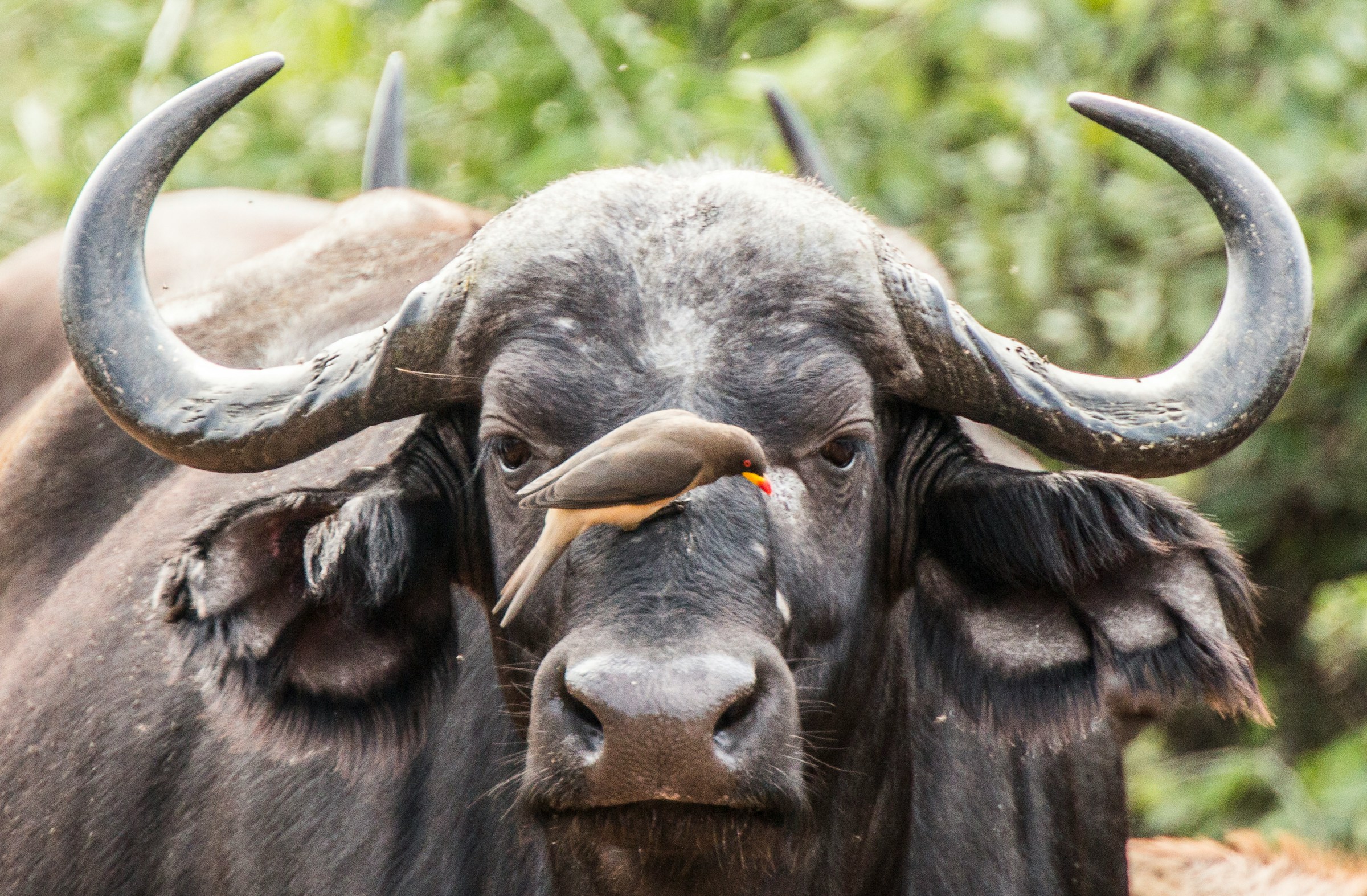
Safari and beach itineraries in Africa combine thrilling wildlife encounters with relaxing coastal escapes. These journeys allow travellers to experience iconic game reserves before unwinding beside the Indian Ocean. A typical route begins with several nights on safari followed by a short regional flight to a tropical beach destination. This logical structure creates contrast and balance within one holiday. Southern Africa offers some of the most seamless safari and beach combinations, especially itineraries linking Kruger National Park with Mozambique’s islands.
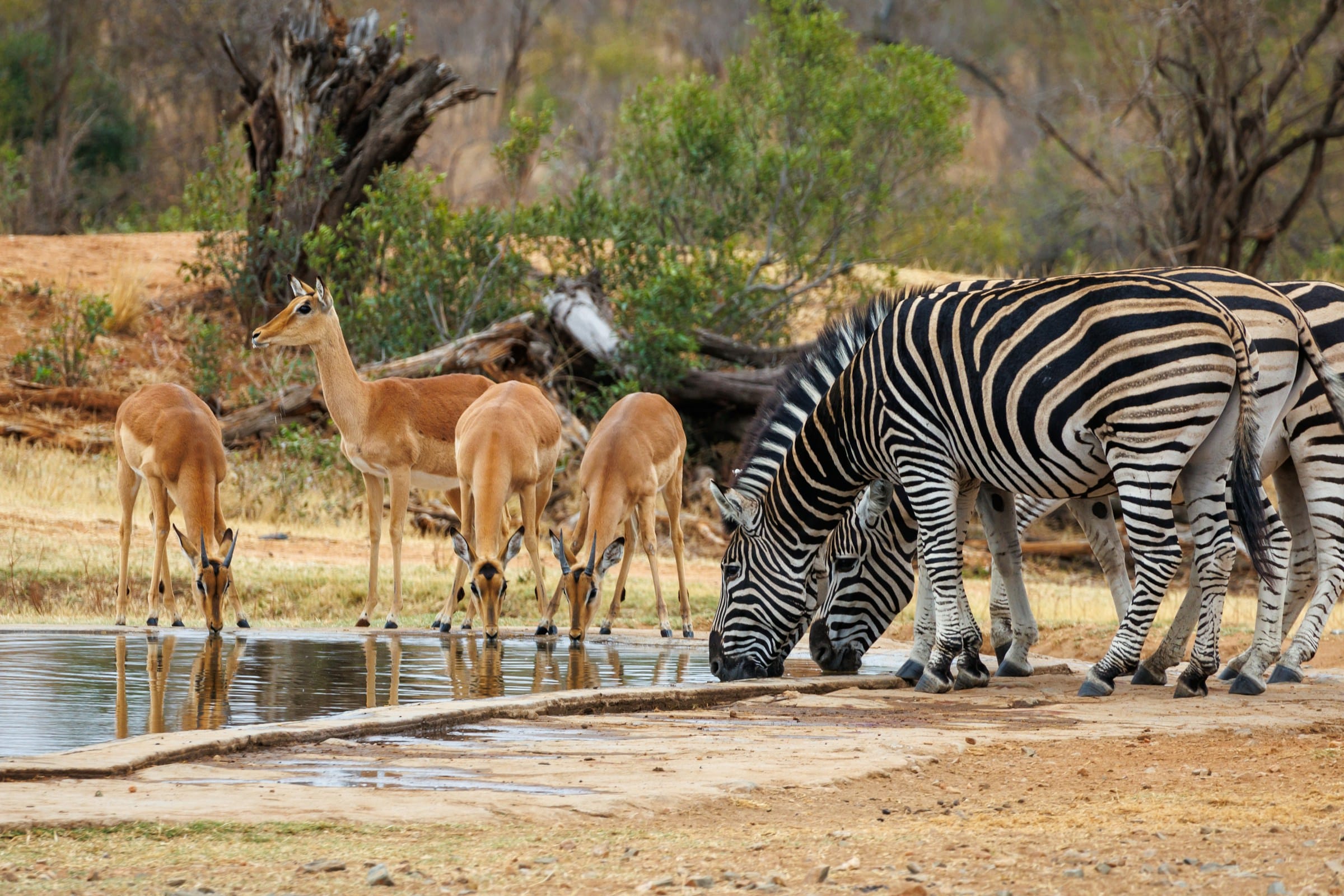
A safari and beach itinerary is a multi-destination holiday that combines inland wildlife experiences with time at the coast. Most travellers begin with three to five nights on safari, where early morning game drives and guided bush activities form the core of the experience. After the safari, guests travel to a beach destination where the pace slows considerably.
These itineraries are popular because they provide both excitement and recovery time. Safari days can be structured and active, while beach stays offer flexibility and relaxation. Combining the two creates a complete African journey that appeals to honeymooners, first-time safari travellers, and experienced explorers seeking variety.
Southern Africa is particularly well-suited to safari and beach travel thanks to strong infrastructure and short regional flight connections. Travellers can move efficiently between reserves in South Africa or Botswana and coastal destinations in Mozambique. This reduces travel fatigue and maximises time on holiday.
The region also offers excellent wildlife diversity and uncrowded beaches. Routes linking the Lowveld safari areas with Mozambique’s offshore islands deliver an outstanding contrast. Typical trips range from seven to ten nights, though longer itineraries allow for deeper exploration of both safari landscapes and marine environments.
One of the most popular combinations pairs a private lodge safari in Kruger National Park with a beach extension to Vilanculos or the Bazaruto Archipelago. Travellers usually spend several days tracking the Big Five before boarding a short direct flight to the coast.
Once at the beach, activities shift to snorkelling, island hopping, dhow sailing, and relaxation beside warm Indian Ocean waters. This itinerary is ideal for travellers wanting an efficient route with minimal logistics. The combination delivers world-class wildlife viewing followed by a scenic and restorative beach stay.
Another rewarding itinerary begins in the wetlands of the Okavango Delta before continuing to island retreats such as Benguerra Island. Botswana safaris focus on remote luxury camps, mokoro canoe excursions, and exceptional predator sightings. After safari, guests fly via regional hubs to reach Mozambique’s tropical coastline.
This journey suits experienced safari travellers or honeymooners seeking exclusivity. The contrast between delta waterways and coral islands is dramatic, creating a sense of journey and discovery. Trip lengths typically range from eight to twelve nights for a relaxed and immersive experience.
East Africa also offers classic safari and beach routes linking the plains of Serengeti National Park with the historic island of Zanzibar. Travellers often plan these itineraries around the Great Migration season to maximise wildlife viewing opportunities.
After safari, Zanzibar provides cultural exploration alongside beach relaxation. Guests can visit Stone Town, explore spice farms, or enjoy palm-fringed beaches. These itineraries typically last seven to ten nights and remain popular with travellers seeking iconic African experiences within one well-structured journey.
Days 1–4 — Kruger Safari
Arrive in Johannesburg and fly to a private safari lodge in the Greater Kruger region. Enjoy twice-daily game drives, bush walks, and all-inclusive lodge hospitality.
Day 5 — Fly to Mozambique Coast
Take a short regional flight to Vilanculos. Transfer by boat or light aircraft to your island lodge in the Bazaruto Archipelago.
Days 6–9 — Mozambique Beach Stay
Relax on white-sand beaches, snorkel coral reefs, and enjoy dhow cruises and optional island excursions. This period allows recovery after early safari mornings.
Day 10 — Departure
Return to Vilanculos for your onward international flight connections.
This itinerary structure provides an ideal balance between wildlife activity and coastal relaxation while minimising travel time.
Safari and beach holidays feel particularly satisfying because they combine contrasting environments that engage travellers in different ways. Safari experiences are immersive and often structured around wildlife movement patterns. Early mornings, expert guiding and dynamic landscapes create a strong sense of anticipation and discovery.
Beach destinations then introduce calm, restorative rhythms. Travellers can wake naturally, spend time in the ocean or enjoy leisurely meals with sea views. This shift in pace helps guests process the intensity of safari adventures while maintaining a connection with Africa’s natural beauty. The emotional balance created by this combination is one of the main reasons safari and beach itineraries continue to grow in popularity.
Africa offers multiple safari and beach combinations, each shaped by geography, wildlife ecosystems and coastal characteristics. Southern Africa typically provides shorter flight connections between safari reserves and Indian Ocean beaches, making it ideal for travellers seeking efficiency. East Africa, by contrast, often delivers iconic wildlife spectacles such as the Great Migration alongside culturally rich coastal destinations.
Understanding these regional differences helps travellers select routes aligned with their expectations. Those prioritising luxury and seamless logistics may prefer Southern African itineraries, while visitors seeking legendary wildlife events and historic coastal settings may gravitate toward East Africa.
Another compelling Southern African itinerary begins with desert-adapted wildlife viewing in Namibia’s Etosha National Park or private reserves near Sossusvlei. Travellers explore dramatic dune landscapes, salt pans and unique desert ecosystems before flying via regional hubs toward Mozambique’s tropical coastline.
This journey appeals to photographers and repeat visitors who want to experience diverse African scenery within one holiday. The transition from arid desert horizons to turquoise ocean waters creates a memorable contrast. Trips of ten to twelve nights allow enough time to fully appreciate both environments without rushing between destinations.
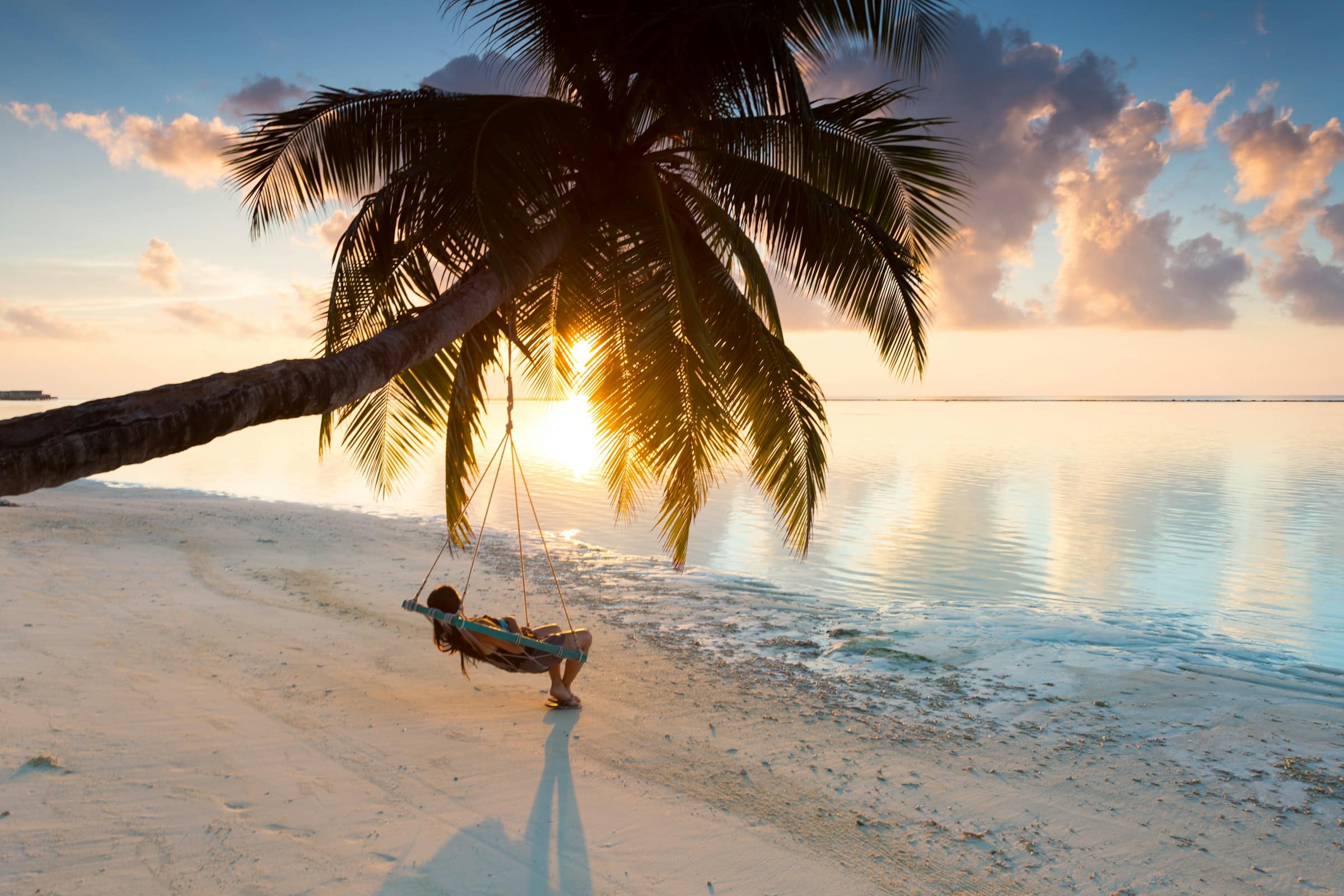
Some travellers choose to combine safari experiences in private reserves near Kruger or the Eastern Cape with scenic coastal journeys along the Garden Route. While this route differs slightly from island-focused itineraries, it offers excellent whale watching, lagoon exploration and boutique seaside accommodation.
This option suits self-drive enthusiasts or travellers seeking a more varied road-based adventure. Although travel distances may be longer than direct flight combinations, the route rewards visitors with cultural experiences, dramatic coastlines and wildlife encounters across multiple ecosystems.
Selecting the safari component forms the foundation of any successful safari and beach holiday. Destinations such as Kruger National Park provide reliable wildlife sightings and well-developed tourism infrastructure. Botswana’s wilderness concessions offer remote luxury and water-based safaris, while Tanzania’s northern circuit delivers vast open plains and migration spectacles.
Each region offers unique guiding styles, accommodation levels and activity options. Understanding these differences allows travellers to match safari experiences with personal interests, whether focusing on photography, family-friendly activities or luxury lodge hospitality.
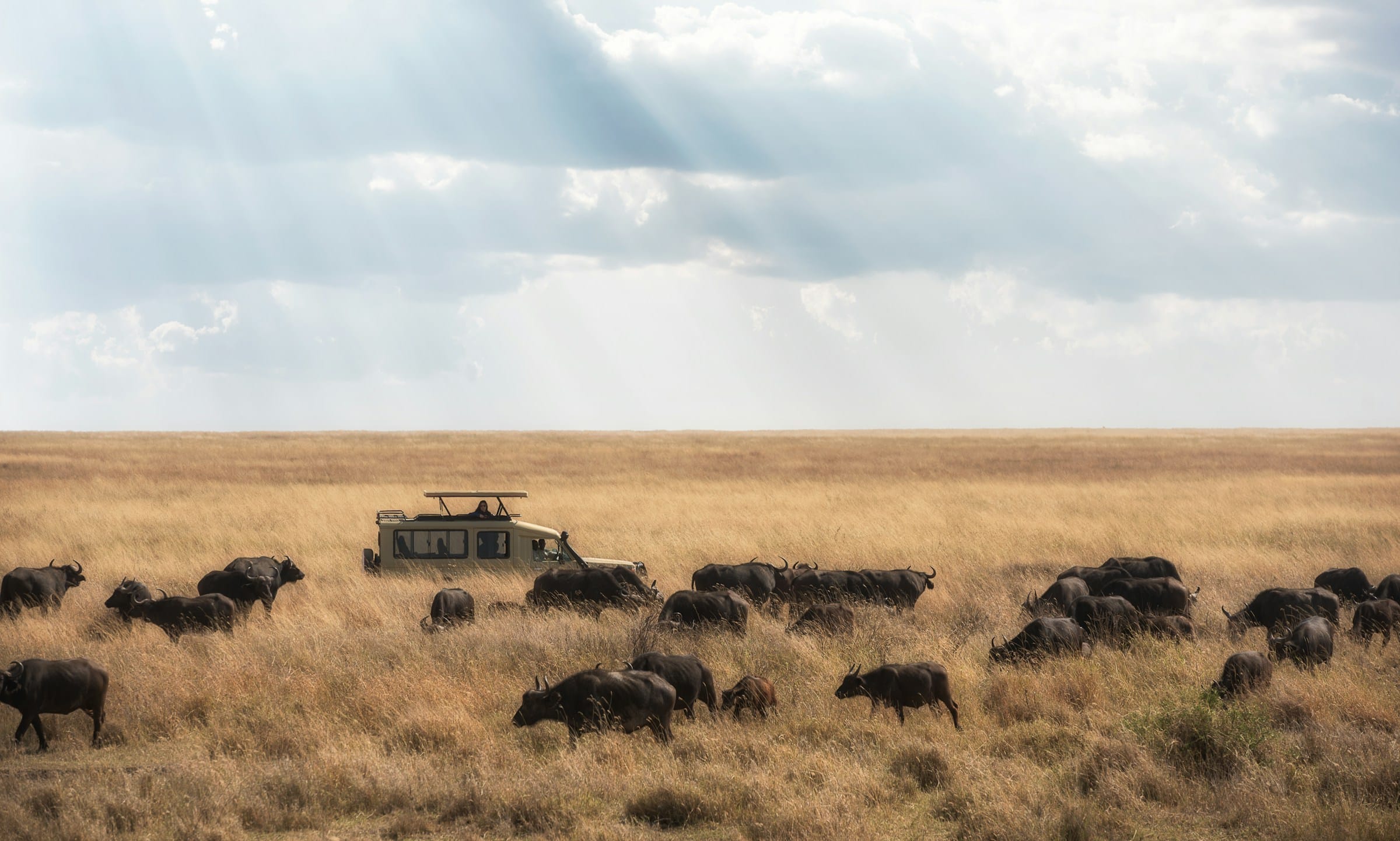
Beach choices influence the overall tone of the itinerary. Mozambique’s offshore islands provide secluded marine environments and barefoot luxury, ideal for travellers wanting privacy and nature immersion. Zanzibar combines historic architecture with accessible beaches, appealing to visitors interested in culture as well as relaxation.
Further options include Kenya’s Diani Beach or Mauritius for travellers seeking resort-style amenities and diverse dining scenes. Considering accessibility, seasonal weather patterns and preferred activity levels helps ensure the beach stay complements the safari portion effectively.
Trip duration plays a crucial role in achieving balance. Shorter seven-night itineraries may provide an introduction to safari travel but can feel rushed. Many specialists recommend ten to twelve nights to allow adequate time in each destination.
Longer journeys also create opportunities to include additional experiences such as city stopovers, scenic flights or cultural excursions. Travellers with flexible schedules often find extended itineraries more rewarding because they reduce travel pressure and allow deeper engagement with each environment.
Efficient flight routing remains essential when designing multi-destination holidays. Regional aviation networks across Africa connect safari airstrips with coastal towns, significantly reducing travel time. Charter flights offer convenience and direct access to remote lodges, while scheduled services provide cost-effective alternatives.
Understanding baggage restrictions and timing connections carefully prevents unnecessary stress. Overnight stopovers in gateway cities may sometimes improve overall journey comfort, particularly for travellers arriving on long-haul international flights.
Dry seasons often deliver the most predictable wildlife sightings as animals congregate around water sources. These periods also tend to coincide with favourable coastal weather in many regions. However, green seasons introduce lush scenery, fewer visitors and excellent birding opportunities.
Travellers planning around specific wildlife events, such as the Great Migration, should consider how seasonal timing will affect beach conditions. Working with experienced safari specialists ensures itinerary dates align with both wildlife expectations and marine activity possibilities.
Safari and beach itineraries vary widely in cost depending on accommodation standards and transport choices. Luxury safari lodges often include meals, drinks and guided activities, while beach resorts may offer flexible dining plans. Charter flights increase convenience but also influence overall pricing.
Travellers can manage budgets by combining accommodation levels or travelling during shoulder seasons. Boutique mainland lodges paired with high-end safari camps often provide excellent value while maintaining exceptional experience quality.
Packing effectively for both bush and beach settings enhances comfort throughout the journey. Neutral clothing supports wildlife viewing, while lightweight fabrics suit coastal climates. Travellers should also consider sun protection, insect repellent and comfortable footwear for varied terrain.
Travel insurance covering medical evacuation and trip disruptions is strongly recommended. Preparing documentation, visas and vaccination requirements in advance further contributes to a smooth travel experience across multiple African destinations.
Many travellers researching safari and beach holidays also want to understand how safety works across remote wildlife regions and coastal destinations. Professional guides, regulated national parks, and structured travel systems all support safe journeys between safari reserves and Indian Ocean beaches. Travellers planning multi-destination itineraries can explore the detailed Safari Travel Safety in Africa guide to understand how wildlife encounters, bush flights and lodge operations are managed across Africa’s leading safari regions.
Planning a successful safari and beach itinerary requires careful alignment of destinations, seasons, and flight connections. Travellers should consider wildlife viewing peaks, marine conditions, and lodge availability when selecting travel dates. Working with regional specialists helps streamline logistics and ensures transfers are coordinated efficiently.
Starting inland and ending at the coast creates a natural holiday rhythm. Choosing destinations within the same geographic region reduces travel costs and maximises time in each location. Tailor-made itineraries also allow travellers to match accommodation styles, activity levels, and trip duration to their personal preferences.
Planning a safari and beach holiday in Africa can feel complex, but expert guidance makes the process simple and enjoyable. Speak to the Voyage2Africa team to design a personalised itinerary combining iconic safari destinations with the perfect Indian Ocean beach escape.